Florida oranges, Idaho potatoes, Washington apples — what do they all have in common?

A nifty little label called a geographical indication (GI).
A GI is essentially a legal label marking that a product comes from a particular region. Per The Economist, GIs carry benefits for both consumers and producers.
So how does it work?
GIs can be domestic or international. Domestic GIs are protected by local governments, while international GIs are protected by the TRIPS agreement, which falls under the World Trade Organization (WTO).
Once approved for GI status, the labels function similarly to trademarks.
- For consumers, GIs act as a quality guarantee and can signify that a product meets certain production standards
- For producers, GIs can help allow local communities to invest in their unique production process, while also allowing them to boost distribution and raise prices
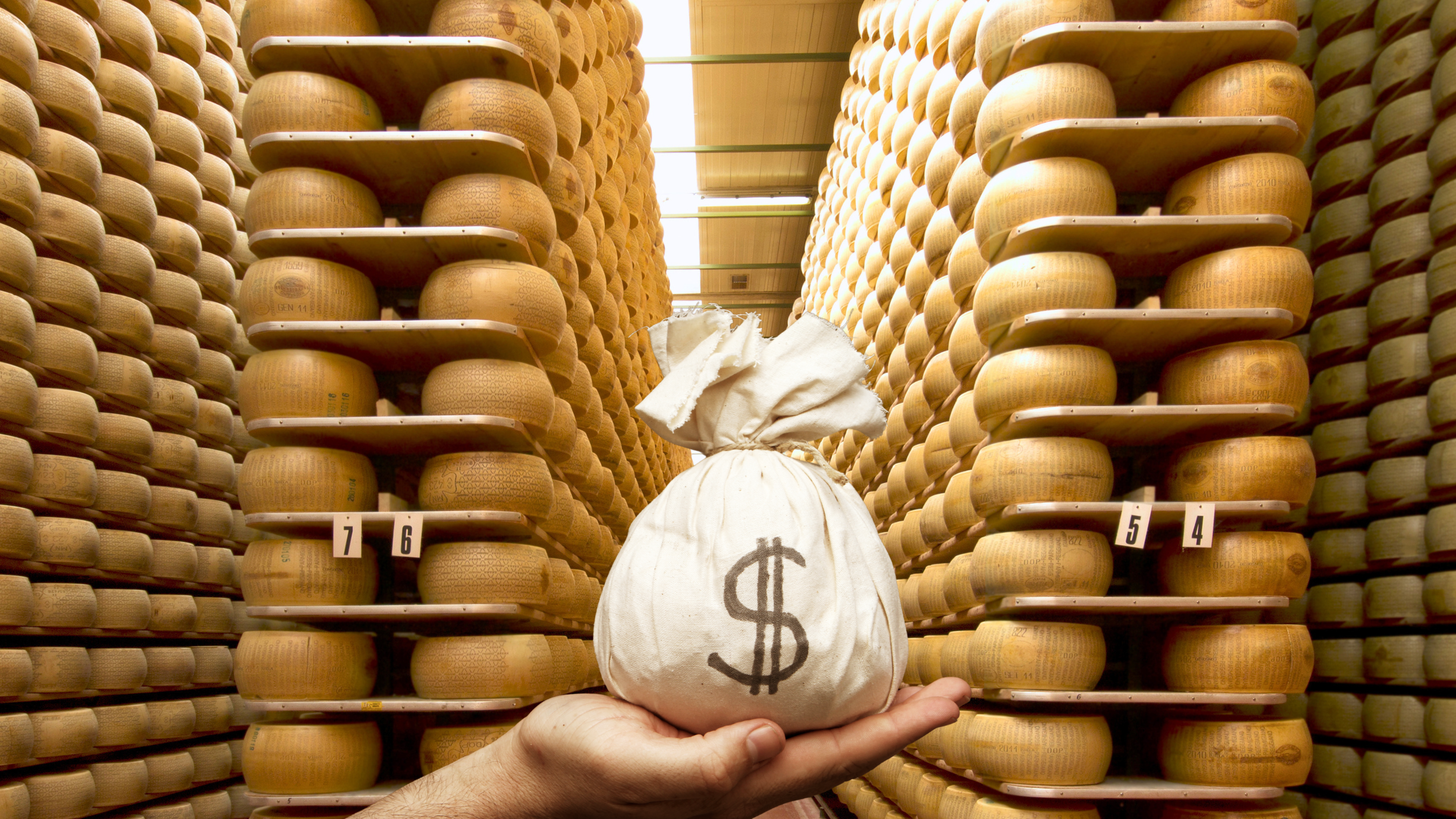
Case in point: The average premium for foods with a GI label is 43%. For wine, it’s 300%.
Higher prices…
… can have an outsize impact in regions that depend on farming.
In Benin, a West African country that just secured its first GI label for the coveted sugarloaf pineapple, 38% of the population works on farms, and 45% live on less than $1.90 per day.
How lucrative can GIs be? Just look at the EU, which reportedly logged ~$84B in sales from goods marked with GIs in 2017.
%20copy%208.png)
%20copy%2011.png)
%20copy%206.png)

%20(1)%20(1)-1.png)
-1.png)