If you’re the type to misplace your wallet, we’ve got good news for you.

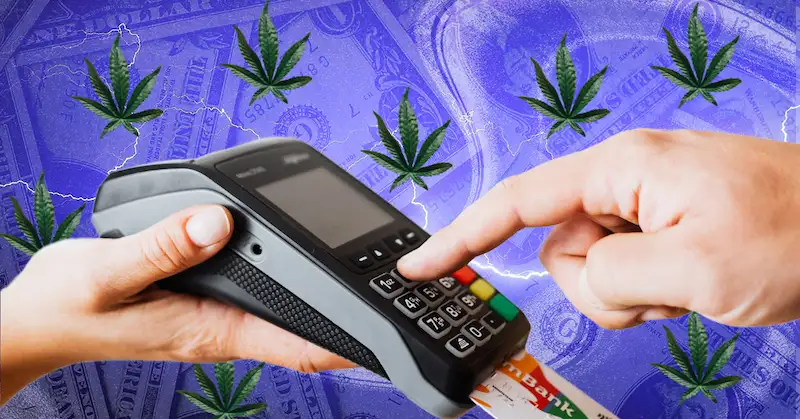
Per NPR, the Federal Reserve recently released a paper laying out the pros and cons of a digital currency, meant as a primer to kick off discussions about actually launching one.
How would it work?
While details aren’t fully fleshed out, the options include a digital cash offering or a central bank digital currency (CBDC), which would be stored in a wallet app on smartphones.
Other than “digital dollar” having a nice ring to it, a digital currency serves several purposes:
- Cuts out middlemen: Namely, financial institutions, which logged $110B in transaction fees in 2020.
- Helps the unbanked: 5%+ of American households are unbanked with no way of using digital payments.
- Simplifies government benefits: A digital currency would make it easier for the government to distribute benefits (e.g., pandemic relief checks)
But there are 2 sides to every coin…
… Even digital ones. Among the biggest concerns are:
- Privacy: The government would have visibility to a wealth of personal transaction data.
- Cybersecurity: The US would likely need to overhaul much of its financial infrastructure to safeguard from hacks.
Another challenge is something any PM or Growth Marketer knows all too well: getting people to download the app.
In China, the government built integrations with WeChat and Alipay to increase adoption of the digital yuan.
How close is this to becoming a reality?
Not very. It’s still in the “market research” phase, and experts estimate it’ll take 5-10 years to launch.
So unless you’re already using contactless payments, you’ll have to keep ol’ reliable in your back pocket for the time being.