.jpg?width=48&height=48&name=IMG_2563%20(1).jpg)
If nonhuman entities could compete in the Olympics, technology would’ve taken home all of the gold medals this summer.
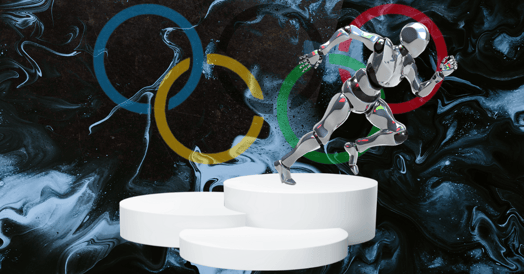
Omega Timing — the watchmaker and the Games’ official timekeeper since 1932 — has been busy making sporting events clearer for athletes and viewers alike, per The Athletic:
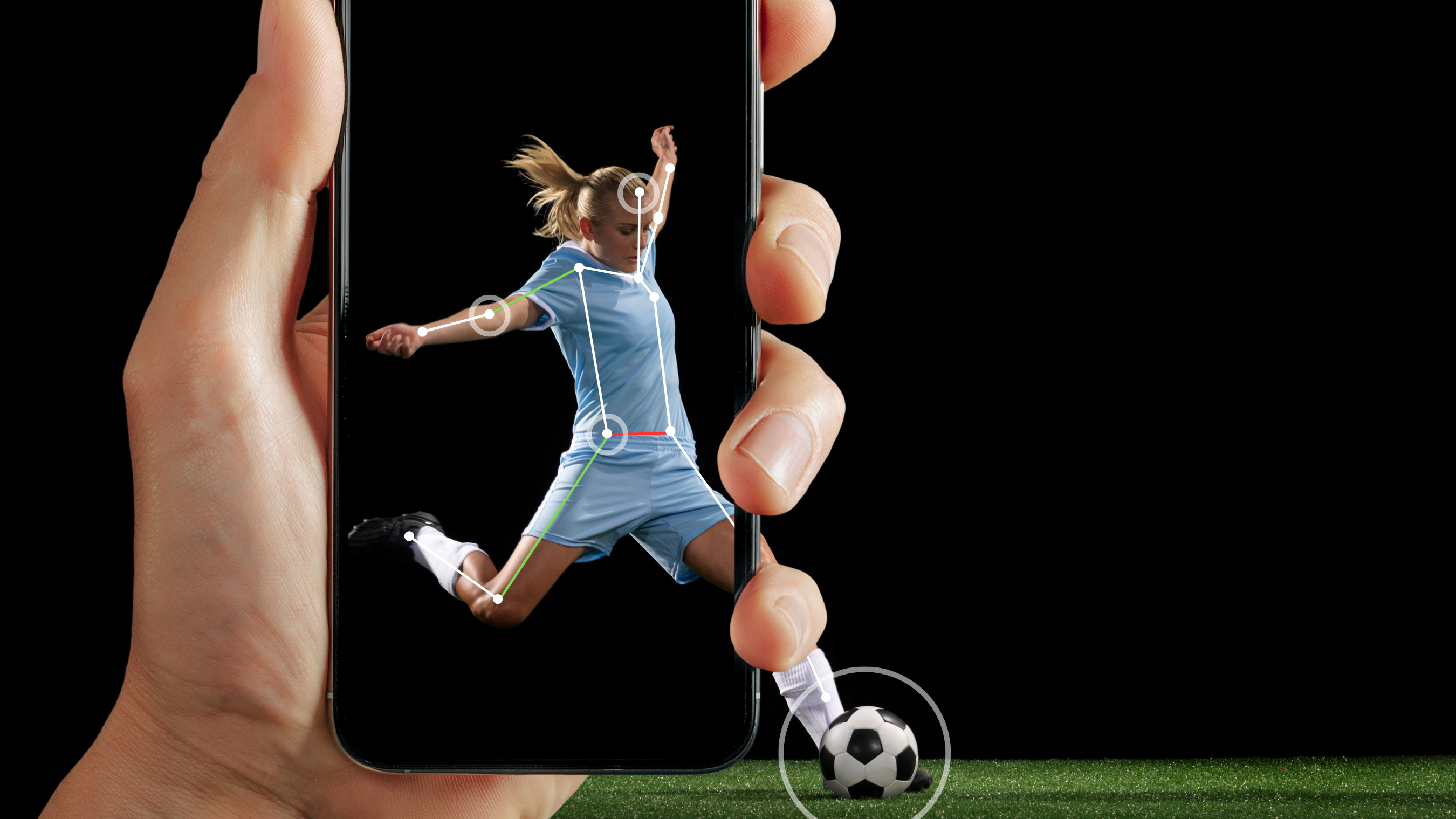
- Computervision in the Olympic Aquatic Center uses cameras to recognize and analyze swimmers’ movements in real-time, calculating stroke rates, distance, acceleration, and deceleration.
- Smart bibs worn by track-and-field athletes hold credit card-sized sensors that send ~2k data points per second to high-speed computers.
- On the tennis court, Computervision is learning how a player’s reaction time to a serve correlates to the quality of their return swing.
- The track’s camera is 4x faster this year, shooting 40k frames per second to help officials determine a winner in close finishes.
That superfast camera was how Olympic officials were able to determine a winner in the men’s 100-meter race, where two athletes finished with an identical 9.79 seconds.
For the win
Tech has the potential to change the game — literally — by impacting an athlete’s performance.
- The Fastskin LZR swimsuits are coated with the same water repellent used to protect satellites from space radiation. The suits reduce friction, letting swimmers glide more easily through water.
- CompPair’s HealTech technology is working on healable composites for pole vaults. If a pole were to break during competition, 10 minutes of heating would be able to repair the resin.
- Shoes are having a moment, too, from On’s spray-on shoe to the Nike-Hyperice recovery boots. Nike’s “super spikes” have changed track races altogether.
But what happens when the tech gets a little too good?
According to NASA, 94% of all gold medals at the 2008 Olympicswere won by swimmers wearing LZR suits; super spikes are estimated to improve running performance by 1.5%.
With tech moving this fast, here’s hoping the humanoid bots aren’t on the podium by 2028.
Sports and esports
%20copy%205.png)
%20copy%204.png)
%20copy%203.png)
-1.png)
-1.png)