Supreme knows how to capitalize on hype.

Renowned for its limited drops and highly coveted streetwear, the brand has bloomed into a $500m/year fashion empire.
And big-money investors have taken note: On Monday, VF Corp — the owner of Timberland, The North Face, and Vans — bought the company for $2.1B from the private equity firm Carlyle.
It started with a skate shop
Supreme began in 1994, when founder James Jebbia opened a skate shop in SoHo, New York, that sold custom T-shirts.
Jebbia’s ambition was to be a “clubhouse” for New York’s skateboarding scene. But that all changed when he was approached by a businessman from Japan.
Jebbia agreed to open 3 stores in Japan over a 6-month span in 1998. Going international encouraged Jebbia to think of Supreme as a brand, and he expanded from T-shirts to all types of apparel.
In the 1990s, Japan was a cultural trendsetter, and Jebbia built Supreme’s brand in East Asia before bringing it back to America.
Supreme uses a network of North American manufacturers
Instead of mass manufacturing in China, the brand was “committed to producing small but high-quality runs of clothing,” writes Complex.
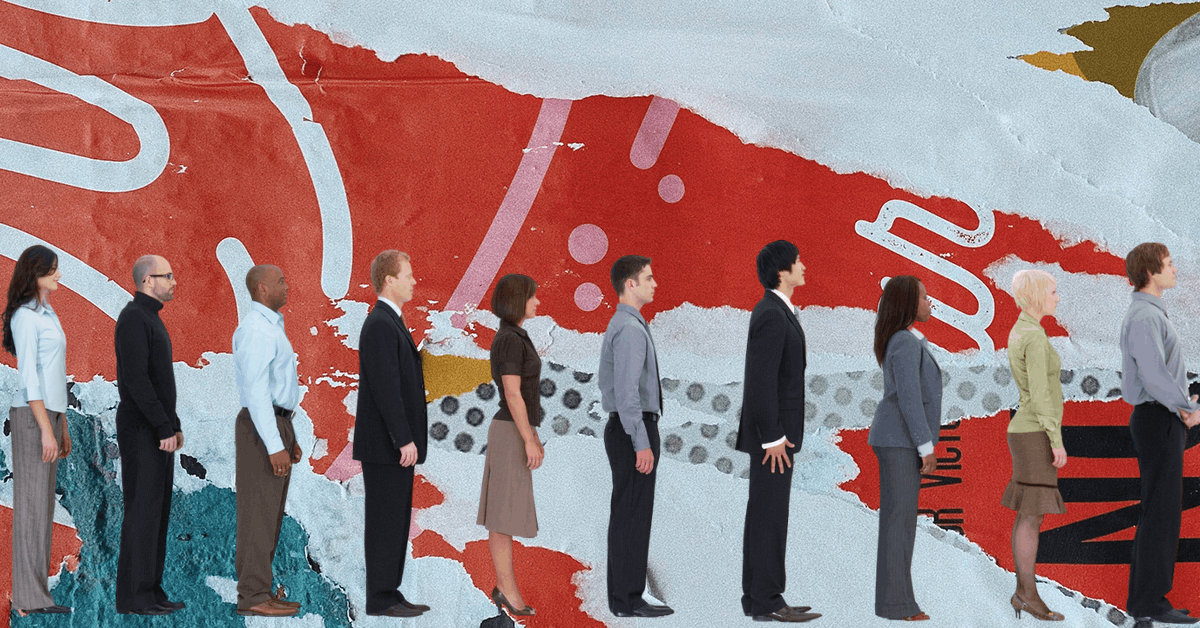
In the early 2000s, Supreme implemented a lottery system for Japanese customers to wait in line, a la new iPhone releases.
Over the years, its elevated brand led to splashy collaborations with the likes of Rimowa, Nike, and Louis Vuitton.
In 2017, PE firm Carlyle Group bought 50% of Supreme for $500m
Carlye currently manages $200B+ and has a controversial past, with various deals in the defense sector.
But the PE giant also knows how to flip culturally important assets, buying 50% of Beats for $500m in 2013 before the headphone company sold to Apple for $3B less than a year later.
With Supreme’s $2.1B sale to VF Corp, Carlyle scored a casual ~2x return on its streetwear investment.
Can the brand keep its allure?
Dan Runcie, who writes on the business of hip-hop at Trapital, notes that VF Corp’s strength is in extending the shelf life of mass-market brands.
The North Face (acquired 2000), Vans (2004), and Timberland (2011) still sell. The problem is that the brands do so through less-than-trendy retailers.
Runcie asks if Supreme fans will still love the brand if they get “an additional 10% off if they sign up for a Macy’s credit card.”
Unfortunately for Supreme, that’s a question that can’t be answered by going to Japan.
%20copy%207-1.png)
%20copy%2012.png)
%20(1)-1.png)
%20(1)-2.png)
-1.png)