Hairstyles have always been a powerful way for people to show identity, culture, and confidence. Yet haircare brands and beauty schools have often had limited education on textured hair — which represents 65% of the US population.
Only eight states legally require cosmetology schools to train and educate on textured hair as part of their mandatory licensing curriculum.
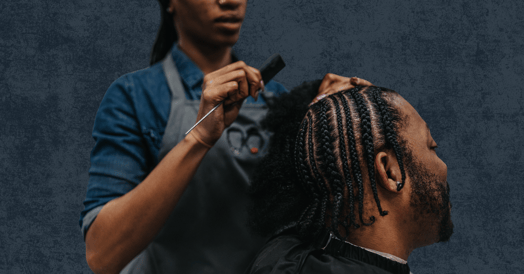
That gap shows up when it comes to braiding textured hair: an appointment can take eight hours, and, on average, about one of those hours is spent preparing before a single braid is even started, according to Aisata Diallo, founder of the textured hair tech company Tressfecta.
A frustrating gap she has been addressing through innovation since college:
“You would have to have that frustration to understand why this is something worth innovating towards,” Diallo told The Hustle.
How it started
Diallo had been braiding her own hair long before college, but she noticed that many of her friends at school struggled to afford or access textured hair care appointments — braided styles often cost $200+.
She braided her cohort’s hair for about three years, often working on weekends and during summer breaks.
During that time she came up with the Plait Pilot, a prep tool that separates “braiding hair” into sections before the appointment starts.
“I honestly sat on the idea for a few years,” Diallo said. “I was studying business, and I didn’t really have that technical knowledge that I felt at the time could allow me to move forward.”
How it’s going
The company is entering at the right time — the textured hair market is valued at $15B+ in 2026.
Now, the company:
- Has a prototype in development, with multiple versions so far
- Has 50+ braiders and stylists in a private community, including salon owners
- Is focused on braiding prep, not braiding itself
- Is preparing to fundraise and targeting hardware and beauty-tech investors
- Was one of TechCrunch's Startup Battlefield 200 companies this year
The challenges for Diallo are investing and education.
“I find myself leaning into the educational framing of my pitch,” the founder said. “This is such a niche issue that you would have to really come from that styling experience.”
She said she is really excited because she is starting to see innovation in the textured hair category — a historically ignored category.
“We're looking at something very positive in the next five years.”