Nobody wants to see cockroaches around the house — but if one of those little dudes showed up to save you from a disaster, you'd be stoked.
%20copy-1.png?width=524&height=393&name=SF%20TEMPLATES%20TO%20USE%20(2)%20copy-1.png)
Researchers have developed a special diving suit for cyborg cockroaches — yes, cyborg roaches — allowing them to survive and maneuver underwater and in low-oxygen environments to assist in search-and-rescue operations, per Tech Xplore.
They're doing what now?
We've all heard about how cockroaches would likely survive a nuclear apocalypse (thanks, Mythbusters), but most of us don't give much thought to how those resilient insects might aid in our own survival.
Scientists from Nanyang Technological University (NTU) Singapore and Waseda University in Japan, however, did in a new study.
- Madagascar hissing cockroaches (as if that wasn't enough) are fitted with electronic controllers to guide their movements remotely without cumbersome batteries of artificial robots.
- The cyborg cockroaches are outfitted with an oxygen generation tank, a flexible shell, and four silicone tubes to supply oxygen to its spiracles, which they use instead of lungs.
- The tank contains manganese dioxide and diluted hydrogen peroxide is added, which breaks down to produce oxygen.
- They can then navigate underwater or on land for up to 3 hours and navigate through heavy rain, flooding, rubble, drains, and narrow gaps.
And the cyborg insects already proved their mettle: the team deployed cockroaches equipped with infrared cameras and sensors during Myanmar’s 7.7-magnitude earthquake in March 2025, where they relayed information to identify signs of life.
Now that they can survive underwater, they have a greater potential for assisting in other rescue operations, as well as inspecting flooded pipes, tunnels, and other hard-to-reach infrastructure.
These scuba-wearing cyborg cockroaches are far from the only biohybrids out there.
- German startup SWARM Biotactics raised $11.4M to develop bio-robotic insects for defense, surveillance, and rescue.
- Researchers are also exploring bionic jellyfish, robots controlled by king oyster mushrooms, and muscle-powered robots (yikes).
- While others are looking to insects for inspiration like these RoboBees.
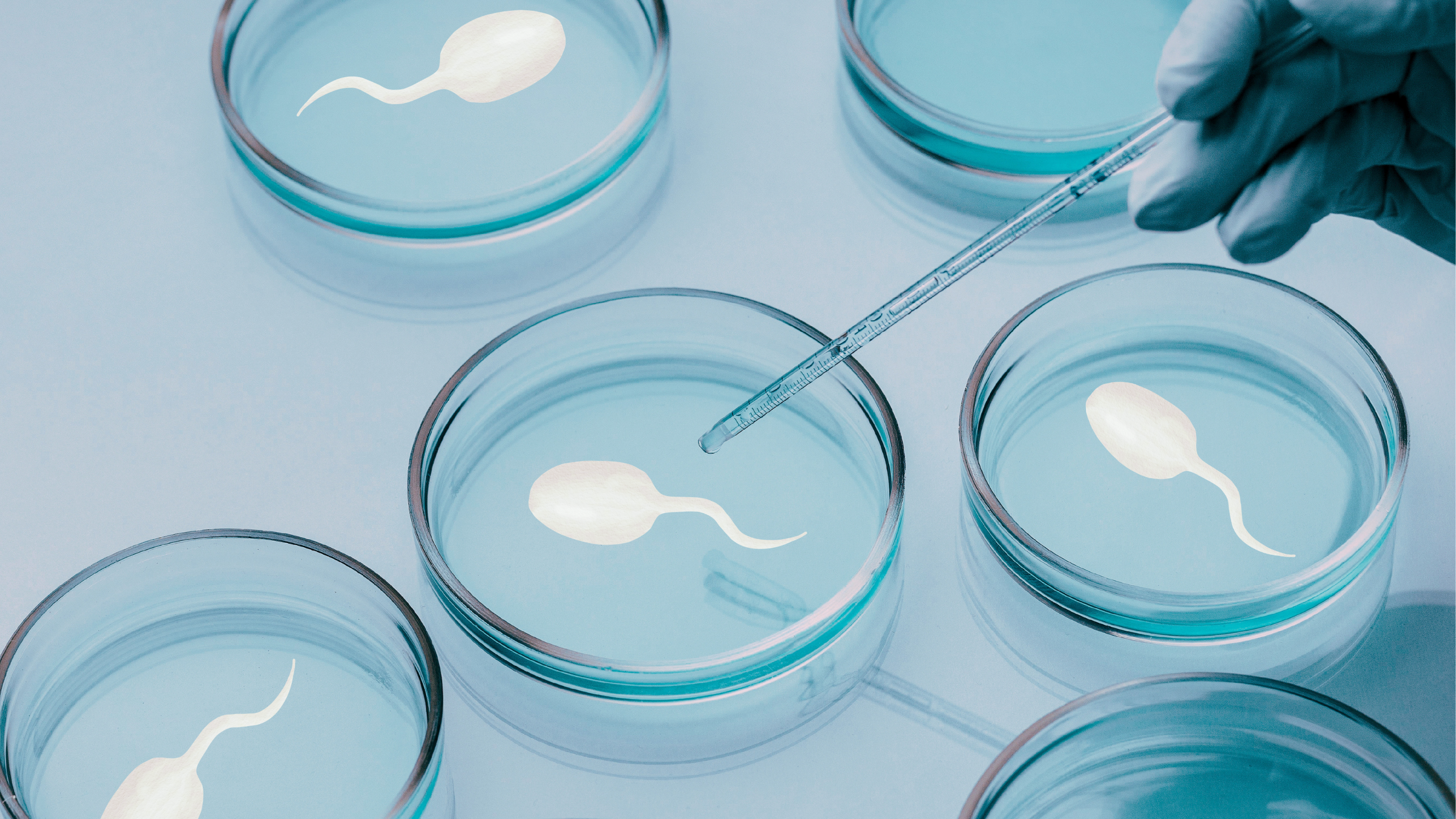
- On a human-scale, others are exploring a variety of biomedical applications, including sperm microrobots and brain implants.
While fascinating, these applications also raise plenty of ethical questions.
Personally, I'd opt for a future of cockroaches and Wall-E over a war against the machines.
Science and research
%20copy-2.png)
%20copy%2017.png)
%20copy%2013.png)
%20(1)%20(1)-1.png)
-1.png)