For many of the world's 4B urbanites, travel has become an opportunity to chase one thing city life can't give them: darkness.
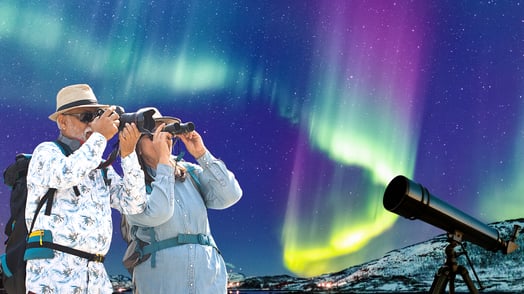
With the night sky becoming an increasingly rare sight, more starry-eyed travelers are planning trips around dark sky tourism, AKA astrotourism — a fast-growing industry worth ~$10B and projected to double by 2035 — hoping to catch a glimpse of the cosmos where they’re still visible, per Outside Magazine.
- The night sky got brighter by 9.6% annually between 2011 and 2022, according to one study.
- Sixty-two percent of travelers are interested in dark-sky destinations, according to Booking.com’s 2025 travel predictions.
All the hype has fueled some innovative businesses offering out-of-this-world views.
Seeing stars and lucrative opportunities
For unobstructed views of celestial bodies and phenomena, train rides from Nevada to Norway offer late-night trips into remote regions, ranging from $15 to $300+ and providing telescopes, guidance from professional astronomers, and sometimes Champagne, too (it’s still a vacation, after all).
At several hotels, darkness has become an amenity. Some, like Iceland's Hotel Rangá and the Anantara Kihavah Hotel in the Maldives, staff resident astronomers and “sky gurus,” while others feature private observatories and glass ceilings for stargazing.
Other starry adventures include everything from twilight canoeing to Indigenous-The popularity of astrotourism has also spurred the growth of Dark Sky Preserves — areas with minimal light pollution, certified by the nonprofit DarkSky International — and inspired cities and towns, from India to New Zealand, to reclaim the night sky for both residents and tourists.
But stunning views and tourist dollars aren’t the only benefits of a dark night sky.
- Many ecosystems that rely on darkness are endangered by light pollution, making efforts to preserve dark skies vital to wildlife conservation and protection.
- Cosmological research also relies on it (which is why DarkSky is fighting one startup’s plans to reflect sunlight back to Earth after dark.)
- Plus, one 2024 study found people who feel strongly connected to the night sky tend to experience greater happiness and better mental health.
BTW: Wanna plan your own dark sky trip? Check out DarkSky’s map of 200+ preserves to find a stargazing spot near you.
tourism
-1.png)