Goodwill, once a hodgepodge of donated items sold at bargain prices, used to be the kind of place you’d go if you were on a budget or needed a cheap costume.
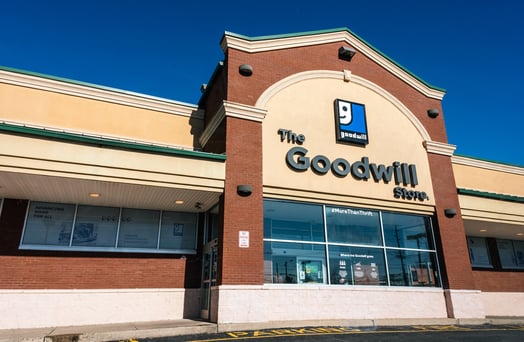
Today’s Goodwills are a different animal, according to The Wall Street Journal.
The nonprofit is now opening larger, brighter stores — some with signature scents that ward off the musty smells common in resale shops.
It’s also positioning new locations in wealthier neighborhoods where locals might donate luxury items, and in more populous areas, it’s been opening stores closer together, finding that thrifters tend to hit up multiple stores per day.
Who’s shopping?
The usual thrifts and resellers, of course. But Goodwill courted TikTok creators with cash and gift cards, who hyped its good deals and occasional designer labels hiding within the racks.
It’s all led to a boost in sales, with Goodwill shoppers dropping a record $5.5B across the US and Canada last year — a 37% increase from 2019.
Not to mention…
… many consumers are tired of dropping money on new clothes, especially as the cost of clothing rises.
Customers have also taken to clothing rental services, which appeal to budget- and environmentally-conscious consumers who’d prefer to rent fresh outfits than stuff their closets.
Buying secondhand — whether in stores like Goodwill or via digital platforms like Poshmark and ThredUp — offers an opportunity to collect high-quality, yet affordable wardrobe pieces, not to mention home goods and electronics.
- The US secondhand apparel market surged from $28B in 2019 to $49B in 2024, according to ThredUp data, per Forbes.
- Placer.ai reported a ~40% increase in US thrift store foot traffic in Q2 2025 compared to Q2 2019.
And if you’re lucky, perhaps you’ll find something so odd, funny, or remarkable that you can submit to this subreddit.
Ecommerce and Retail
%20copy%207-1.png)
%20copy%2012.png)
%20(1)-1.png)
%20(1)-2.png)
-1.png)