Blondie warned us that the tide is high, but several determined startups aren't going to give up just like that.
%20copy.png?width=524&height=393&name=Daily%20Templates%20-%202026%20Refresh%20(1)%20copy.png)
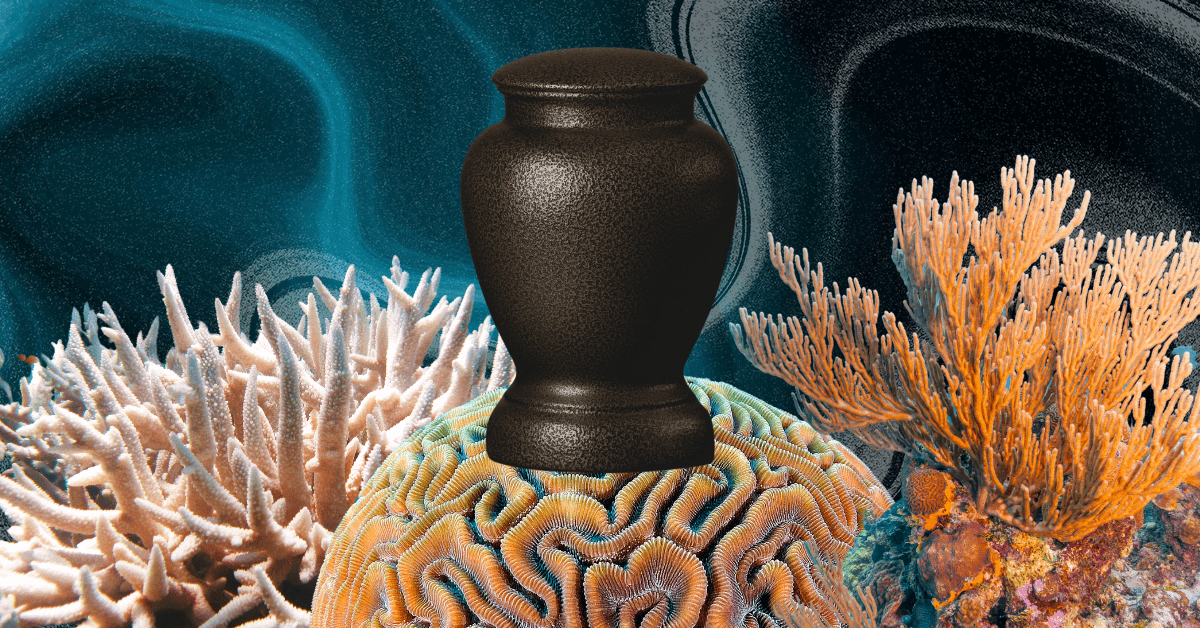
As rising sea levels threaten coastal communities, Coastal Assembly, a startup out of MIT, is building artificial reefs that reduce beach erosion, protect coastlines, and develop marine habitats, per Fast Company.
Holdin' on
Rising sea levels threaten thousands of communities globally with rippling consequences:
- Around 770m people — roughly 1 in 10 humans — live just 16.4 feet above sea level.
- An estimated 1.2B people could be displaced globally by 2050.
- Sea levels can endanger homes and businesses, fisheries and tourism, farmland, wells, and sanitation systems.
- A whopping $1.8T of coastal infrastructure has already been damaged, with an additional $1.4T in damages possible without intervention.
Traditional coastal protections such as seawalls can be expensive and potentially accelerate erosion, while dredging sand to replenish beaches destroys habitats and is temporary.
To stem the tide more effectively and affordably, Coastal Assembly is using artificial intelligence and artificial reefs to harness ocean currents and rebuild coastlines:
- AI analyzes satellite and ocean current data to predict erosion patterns.
- Custom blocks made of marine concrete resemble natural reefs.
- Blocks break up waves, redirect sand back to the beach, and keep it there.
- The artificial reef provides a home for coral and marine life.
- Coral reefs can absorb 97% of shore-bound wave energy.
- Researchers track changes and can adjust structures.
Built on 10 years of research at MIT's Self-Assembly Lab, the startup is a public benefit corporation that partners with the UN to help vulnerable communities while working with commercial resorts for revenue.
After two years, the project has doubled the depth of a beach in the Maldives. Now, plans are in the works for 10 more installations in the area with more in the Bahamas, Miami, and Boston, thanks, in part, to $4.4m in venture-backed investment.
Other startups in the field (er, ocean)
- Kind Designs raised $21.5m to develop living seawalls and artificial reefs to protect shorelines.
- Netherlands-based Reefy creates artificial reefs with low-carbon concrete.
- Subway cars were used for artificial reefs in Delaware, New Jersey, Virginia, South Carolina, and Georgia.
- In Louisiana, several startups are working to protect low-lying coastal areas.
One way or another, entrepreneurs are hoping to curb the impact of coastal erosion. Debbie Harry would be proud.
environment
%20copy%2010.png)
.png)
-1.png)
%20(1).png)