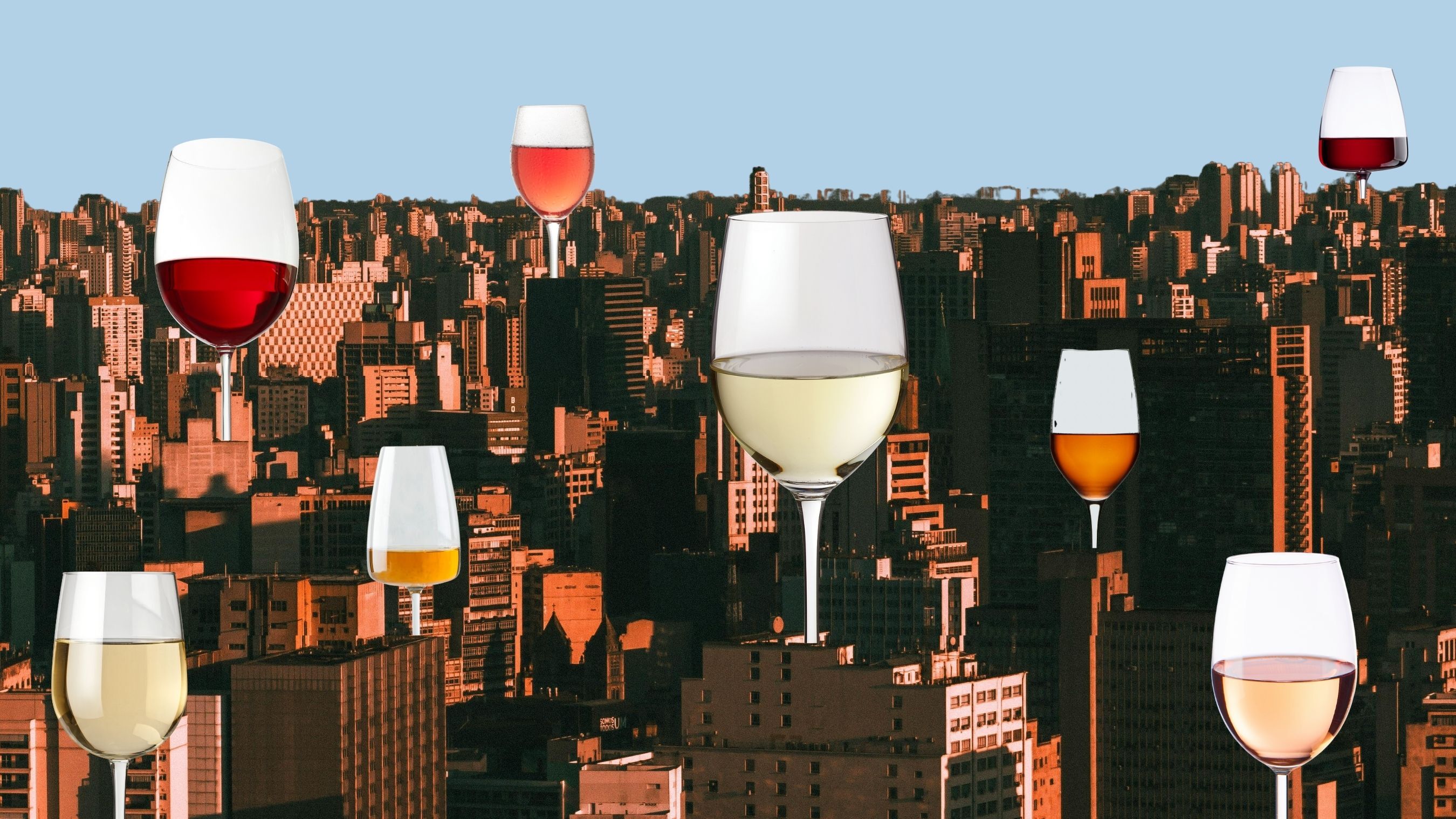
Boxed wine, long the low-class domain of broke college students, has (like many of us) graduated from its trashy undergrad days and matured into something… more palatable.
%20(1)-1.png?width=524&height=393&name=SF%20TEMPLATES%20TO%20USE%20(1)%20(1)-1.png)
Today, it’s showing up in high-end hotels and private social clubs as much as it is on grocery store shelves thanks to upstart beverage companies, who are rebranding the bag-in-a-box format for a new generation of drinkers, per Inc.
- Boxed wine is one of the fastest-growing segments within an otherwise languishing alcohol industry, with sales up more than 144% YoY in June.
What’s different?
It’s still bagged and in a box (and probably eliciting eyerolls from traditionalists), but unlike its predecessors, these new iterations combine premium wines with some very aesthetic packaging.
- Gratsi, a D2C brand with a subscriber retention rate of 50%, sells premium natural wines priced at $34+ a box. Since launching in 2020, its sales have grown from ~2k cases of wine to 375k in 2025, with sales expected to pop 60% this year.
- Some brands have done away with the box entirely, like Medley, another D2C brand offering organic Mediterranean wines for ~$54, and My Dear Friends, which sells 1.5-liter “bagnums” of South African varieties for ~$30.
Why now?
For budget-conscious consumers, value is one factor: one box is equal to about four standard bottles.Part of those savings are passed down from the packaging, which is cheaper to produce and ship.
It’s also more environmentally friendly: Even with the plastic bag, one expert told Glamour, boxed wine has just a tenth the carbon footprint of a standard 750-milliliter glass bottle.
Plus, the spigot design limits the wine’s exposure to oxygen, keeping it fresher for longer and meaning you can enjoy a glass here and there over a couple weeks instead of having to commit to finishing a whole bottle…
… perfect for moderation-minded Gen Zers, who probably aren’t trying to “slap the bag,” though that’s still an option for those of us feeling nostalgic.
%20copy%2010.png)
%20copy%207.png)
%20copy%203.png)