
Microplastics are like ghosts in a haunted house: you can't see them, but you know they're there — and they're frightening.
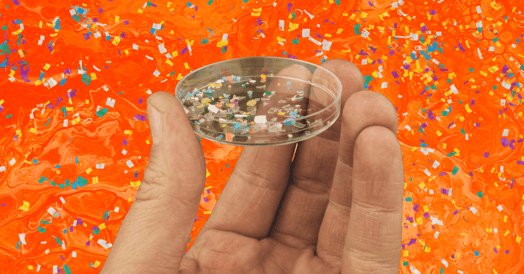
- Microplastics range from 5 millimeters to 1 nanometer (human hair is ~100k nanometers wide)
- Primary microplastics (AKA nurdles) are added to personal care products for smoother textures, while secondary ones — most common — degrade from larger plastics (e.g. bottles, clothing, takeout containers).
- Between 10m and 40m metric tons are released yearly, a number that could double by 2040.
- They're present in our air, water, soil, and food — from Mount Everest to deep oceans.
- We eat and inhale ~21 grams of plastic every month and 250 grams yearly by some estimates.
- Microplastics pose potential health risks to humans, wildlife, and the environment.
Scary stuff.
Unfortunately, microplastics are a very real problem that isn't going away soon. Fortunately, some brilliant minds and ambitious startups are working to tackle that problem.
Startups working to track and filter nanoplastics
- PolyGone's tech removes microplastics from waterways and wastewater facilities and recycles them.
- UK-based Matter's filtration system captures microplastics from washing machines and textile production before they reach the environment.
- Ecofario's cost-effective filterless technology separates microplastics from water.
- Indian teenagers won the 2026 Earth Prize for developing a system that uses tamarind seed waste, which attracts microplastics into clumps that are removed with a magnet (very cool).
- MicroBubbles GmbH removes microplastics and pollutants from large bodies of water using tiny gas bubbles.
- Oceanworks upcycles collected marine plastic pollution into usable raw materials for new products.
- Other startups are using enzymes, fungi, and microorganisms to break down microplastics.
- Ocean Diagnostics detects and tracks microplastic pollution.
Removing existing microplastic pollution is great, but what about eliminating the use of primary microplastics?
Startups developing alternatives
- Naturbeads manufactures tiny particles made of cellulose from wood to replace microplastics used in cosmetics, paint, and industrial products.
- Carbonwave's SeaBalance is the first seaweed-based cosmetic emulsifier, which replaces synthetic microplastics in skincare.
- Boldwill creates plastic-free activewear (commonly made with plastic synthetics).
- Numerous startups are developing biodegradable alternatives to plastic packaging.
So, while we may be living in this microplastic-haunted house for the foreseeable future, at least there are some ghostbusters working to rid us of the ghosts.
%20copy.png)
%20copy%2010.png)
.png)
%20copy%205-1.png)
%20copy%2021.png)
%20copy%2016.png)
%20copy%204.png)
-1.png)
-1.png)
-1.png)