Ever been ghosted by an Uber driver? Don’t blame them — there’s a good chance your ride request was rejected before they even saw it.
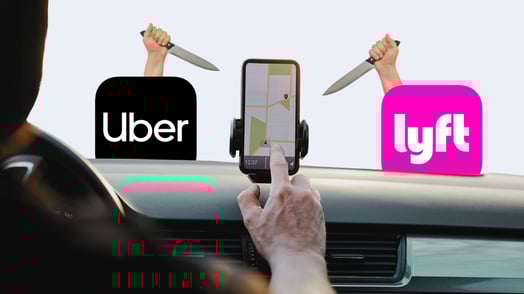
Instead, thank third-party apps like Mystro, Maxymo, and GigU. Rideshare drivers, faced with years of falling pay, are using them to determine which rides to accept, and which to avoid, in pursuit of maximizing their earnings.
How they work
Drivers are typically given just ~15 seconds to assess several factors (e.g., passenger rating, distance, duration, compensation) and decide whether to accept a ride.
These apps, which charge ~$5-$19 a month:
- Let drivers filter those factors and use apps’ APIs to automatically accept or reject rides based on their selected criteria.
- Use phones’ accessibility features to read drivers’ screens and guide them using a widget.
- Aggregate opportunities from both apps so drivers don’t have to toggle between them.
This way, drivers maximize their earnings — Mystro and GigU claim to help drivers earn up to 30% more money — while also reducing screen distractions.
But rideshare giants like Uber and Lyft aren’t happy about it.
What’s the issue?
Uber and Lyft, which recently started cracking down on these apps, claim these tools violate their terms of service and community guidelines, per Business Insider.
Some Lyft drivers were reportedly issued warnings that their account could be deactivated if they continued to use certain “third-party apps,” which a spokesperson told BI hurts riders and other drivers by “enabling automatic ride cancellations, delaying response times, and disadvantaging those who follow the rules.”
Naturally, many are unconvinced these rideshare giants are acting in drivers’ interests.
Who’s right?
Well, a new survey by worker advocacy group PowerSwitch Action found a vast majority of drivers report feeling “squeezed and manipulated” by Uber’s pay algorithm, and advocates argue gig workers should be allowed to use the tools available to them.
But from a legal standpoint, it’s unclear whether Uber and Lyft have a case, though Uber Brazil did previously try to sue GigU (which launched in the US in May) and was ultimately unsuccessful.
One way rideshare companies could potentially kill off these third-party apps, though? They could try addressing the reasons why their workers feel so “squeezed and manipulated."%20copy%2012.png)

%20copy%2018.png)
%20copy%2016.png)