
We all know that synthetics like polyester aren’t great for the environment, but neither are some natural fibers.
“Most people are surprised to know that cotton is very unsustainable due to its heavy use of pesticides and incredible amounts of water,” Kat Dey told The Hustle.
Dey is the co-founder and president of Ettitude, a luxury bedding brand, and PLNTmatter, its B2B material science company born out of the former’s extensive R&D. PLNTmatter has developed 80+ sustainable fabrics by mixing up weaving techniques, processes, and materials.
How it works
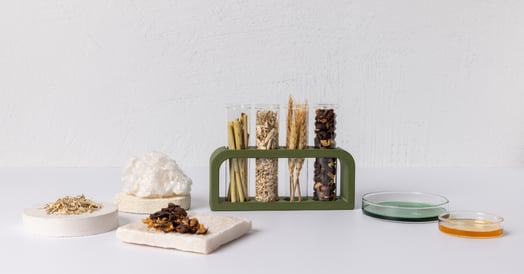
You’ve probably seen terms like lyocell or viscose if you’ve spent much time researching bed sheets or clothing (Tencel is a brand of lyocell fiber).
Both are man-made fibers using wood pulp, but viscose uses toxic chemicals, and lyocell, a newer method, does not, thus reducing worker exposure, chemical residue on finished goods, and eutrophication.
PLNTmatter’s flagship product — and what Ettitude’s bedding is made from — is CleanBamboo®, a proprietary bamboo lyocell.
Other PLNTmatter products mimic less sustainable fabrics, including silk, cashmere, and a linen-like material made with hemp. The company also sells the world’s first biodegradable elastic, Dey said, made with natural rubber and CleanBamboo® yarns.
Why bamboo?
It’s a grass that:
- Grows quickly, relies mostly on rainfall over commercial irrigation, and requires no pesticides.
- Sequesters carbon dioxide, potentially reducing climate change
- Is fire-resistant due to its high silica content and can act as a natural fire break in the event of a wildfire.
And though the fabric isn’t antimicrobial as often claimed because the textile-making process removes those properties, they can be replaced by infusing another ingredient, such as a bamboo charcoal.
What’s next?
In addition to Ettitude’s products, PLNTmatter has ~100 companies in the sample stage seeing how they might incorporate its textiles.
Price-wise, Dey said they can’t compete with polyester, but they’re already on par or cheaper than some natural materials, including cashmere, wool, and silk, and are working on new technologies to make materials even more affordable.
Fun fact: According to a clinical study Ettitude commissioned, its sheets garnered sleepers an extra 43 hours per year. That’s why they’re HSA/FSA eligible.
%20copy%205-1.png)
%20copy%2021.png)
%20copy%2016.png)
%20copy%204.png)
-1.png)
-1.png)
%20(1).png)
-1.png)