Dupe. Knockoff. Look-alike. Copycat. Brummagem.
Whatever you call them, inexpensive imitations of higher-priced goods are everywhere, accounting for $467B in global trade annually. Heck, there's even a website devoted to finding dupes.
We often hear about knockoffs of high-end handbags, apparel, beauty products, shoes, even bootleg Labubus, excuse me, Lafufus.
But increasingly, small businesses are targeted by counterfeiters. Unlike major brands with the legal and financial resources, entrepreneurs often struggle to protect their bottom line and reputation.
Savvy scammers
While e-commerce and social media allow entrepreneurs to reach a global audience, that visibility has left them vulnerable. Scammers have also become increasingly savvy, per The Wall Street Journal.
- Images and copy are scraped from a creator's website.
- AI tools eliminate language errors — red flags when listing on Amazon and other platforms.
- SEO tactics position dupes higher in search results.
- Creators are pummeled with negative reviews for the cheaply made knockoffs.
While Amazon has a zero-tolerence policy for copycat listings, owners play whack-a-mole with new imitators and other platforms. Numerous designers have filed lawsuits against Shein and Temu for selling copies of their work, which could be just a photo of the original work.
Battling Goliath
Other small businesses find themselves up against major brands that have taken "inspiration" from their product:
- Two beverage startups claim Pepsi copied the branding and flavors of their products.
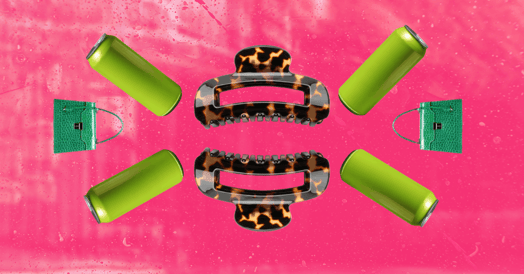
- A San Francisco entrepreneur sued a department store chain for selling what looked to be replicas of her food-themed hair clips, and settled with another for $45K.
- Stateside Brands sued Anheuser-Busch InBev, alleging the beverage giant's canned vodka drink copied their design.
- Countless small clothing brands have had designs stolen by fashion brands, but often have no recourse because fashion is not fully protected under US copyright law.
Knock it off
While filing a trademark can help, dupes often don't replicate trademarked details, meaning they're generally legal and not considered counterfeit.
But companies are finding ways to fight back:
- Entrepreneurs in Australia commit to quality materials and nurturing customer relationships.
- One startup uses AI to identify counterfeit fashion.
- Companies using VerifyMe can utilize track and trace networks and digital authentication.
Now, if we could only do something to keep those Lafufus from haunting my dreams.
%20copy%207-1.png)
%20copy%2012.png)
%20(1)-1.png)
%20(1)-2.png)
-1.png)