

👋 Good morning. If you’re already jealous of whoever nabbed the last donut hole in the office kitchen — stop reading. A man in Texas reportedly found ~$1m of rare Yu-Gi-Oh cards in a dumpster and has made $60k+ so far selling them online. While the lucky duck says the cards, which include 500k bulk cards and 400+ factory uncut sheets, were “thrown away,” some in the trading card community worry they were stolen. Either way, perhaps keep an eye peeled next time you toss something in the trash?
NEWS FLASH

🦴 But can all your friends sign it? Singapore startup Castomize makes 3D-printed, waterproof casts that are flexible when heated, then harden around a patient’s body for a comfier fit than standard fiberglass casts. While they’re more expensive, one hospital that piloted the tech ended up saving money because traditional casts can often be tricky to make, resulting in errors and wasted time. Castomize’s wrist cast has been approved for sale in a handful of countries, and the company recently introduced ankle and elbow models.
🤖 DIY robot friend: Hugging Face launched an app store for its Reachy Mini robot to let anyone — not just developers — build customized uses for their robots. The store already has ~200 apps, from an office receptionist and baby monitor to cooking assistants and distraction trackers. The company says it's sold ~10k Reachy Mini devices, which range from $299 to $449, and we can confirm they look really freakin’ cute.
🌯 Is it a wrap for Sweetgreen? The fast-casual brand hopes not. It’s attempting to revive sales — same-store sales fell 11.5% last quarter and the stock plummeted 80% last year — with four chicken wraps priced under $15 to woo price-conscious, salad-fatigued consumers. Sweetgreen hopes the wraps will perform better than its ripple fries, which lasted only five months after being introduced and needed to be air-fried every 20-30 minutes, slowing operations.
MORE NEWS TO KNOW
-
Speeding up: The global robotaxi market is estimated to reach $415B by 2035 — with the US alone accounting for $48B — according to Goldman Sachs Research, and the global commercial AV robotaxi fleet is projected to grow from ~7k vehicles to 6m.
-
Whoopsie daisy: A Cursor AI agent accidentally deleted PocketOS’s production database in less than 10 seconds, resulting in a 30-plus-hour outage, according to the startup’s founder.
-
Fish? More like Phish: Scientists gave aggressive fish psilocybin, the psychoactive component in magic mushrooms, and found they became less aggressive. The study could offer insight into how psilocybin could affect other species, including humans.
-
No screen time: Google revealed its screenless Fitbit Air, available via pre-order for $100, and its Google Health app, which will replace the Fitbit app and includes a health coach designed with input from health experts and NBA star Steph Curry. Google acquired Fitbit for ~$2.1B in 2021.
STEAL THE LIBRARY
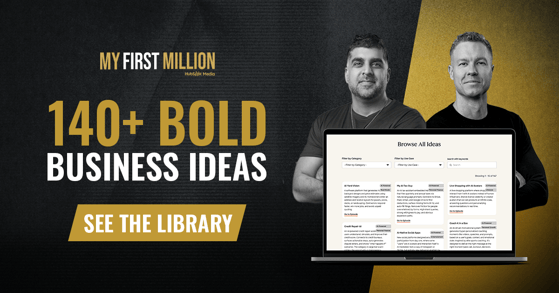
Ideas for your first million
You: a human who, sometimes, thinks.
Sam and Shaan: Buzz and Woody. Jordan and Pippen. Literally the greatest business-ideas duo in YouTube history.
Steal one of 140+ ideas. This sortable library gathers brain blasts with timestamps from hundreds of episodes (and will only keep on growing).
THE BIG IDEA
How a nurse turned Whatnot into her primary job
If QVC ever sold your mom a waffle iron, you’re familiar with live shopping.
But while QVC Group has filed for bankruptcy, livestream shopping has finally taken off in the US after originating in China.
Whatnot, a dedicated shopping platform, has boomed over the last year. In 2025, it more than doubled its valuation to $11.5B and reported $8B in live sales.
Why do people like it?
Whatnot is fast-paced and gamified. Shoppers swipe to bid on auctions that last seconds, with myriad hosts hawking toys, trading cards, beauty products, plants, and more.
It has its critics — those who say it could become addictive, or who criticize resellers that snatch up collectibles, tickets, and other hot items.
But for sellers…
… it can offer a flexible way to make bank.
- In 2024, Zoreen Kabani told CNBC she was earning $100k+ per month selling clothes.
- Golf Headquarters, a golf apparel and equipment retailer, earned $1m+ in 2025.
- Val Zapata makes seven figures a year selling sneakers.
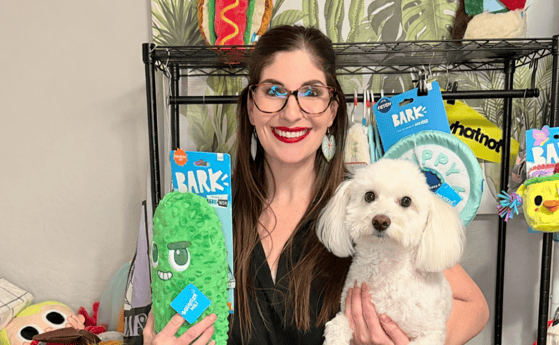
“Nurse Sarah” began selling on the platform in 2022 to clean out her closet before finding her niche: pets.
“Pet items are really expensive at the store, so I love to help people make it more affordable and get good deals,” she told The Hustle.
Whatnot has replaced nursing as Sarah’s primary income, and she’s since hired help for organization, packaging, and admin tasks.
How she does it
- Sarah typically sells for 2-3 hours, six days a week. Her top-selling items are dog toys and treats, but she also devotes episodes to cats, reptiles, birds, fish, and even farm animals.
- Sarah sources items from “literally anywhere” — other Whatnot sellers, liquidation sales, local suppliers, etc.
- While the average order totals only ~$7, she works fast, selling an item about every 10 seconds. She estimates an average of ~$400/hour in revenue thanks to high volume.
While each seller brings their own best practices, Sarah finds it helpful to be consistent and relatable. Many of her customers are regulars.
“I know their [dog’s clothing size] and what they like. Some of them always want a certain brand of food and I will go source that for them,” she said.
She believes anyone can make money if they put in the time and effort and can source quality products at a good price. Of course, you'll also need space for all that inventory — and a niche of your own.
HIGHLY RECOMMENDED
The world’s No. 1 mentalist: He can read your mind, influence you, and also teach you how to win any negotiation and close any deal.
NEWSWORTHY NUMBER

Years since Guy Goma, an IT worker, was interviewed on the BBC in one of the greatest cases of mistaken identity on live TV, per The New York Times. Goma had come in to be interviewed for a job as a data specialist, but was mistaken for Guy Kewney, a tech journalist who was scheduled to discuss the verdict of a legal case involving Apple on the broadcast.
Goma proceeded to give a surprisingly coherent answer, despite being caught off guard and visibly confused. And while he didn’t get the job he did prepare for, he’s since become a sort of folk hero for unprepared workers everywhere.
AROUND THE WEB
📅 On this day: In 1963, Dr. No, the first James Bond film, debuted in North America.
💰 That’s cool: The Middle Class Museum.
🗞️ Newsletter: Get daily tactics that actually drive results. Join Growth Daily.
📖 Game: Guess the novel.
🐾 Aww: Surprise!
SHOWER THOUGHT
Roller coasters would suck on the Moon. SOURCE
Today's email was brought to you by Juliet Bennett Rylah and Singdhi Sokpo.
Editing by: Sara "I'm sold" Friedman.
Was this email forwarded to you? Sign up here.
Working on something big?
We've got a whole library of business-building resources for you.
Subscribe to our other newsletters
Grow your business: Starter Story | Stay up-to-date on AI: Mindstream
Expert insights: Marketing Against the Grain | Sell better: The Science of Scaling