
Fifty years ago, France was the undisputed leader in wine. The Judgment of Paris changed everything.

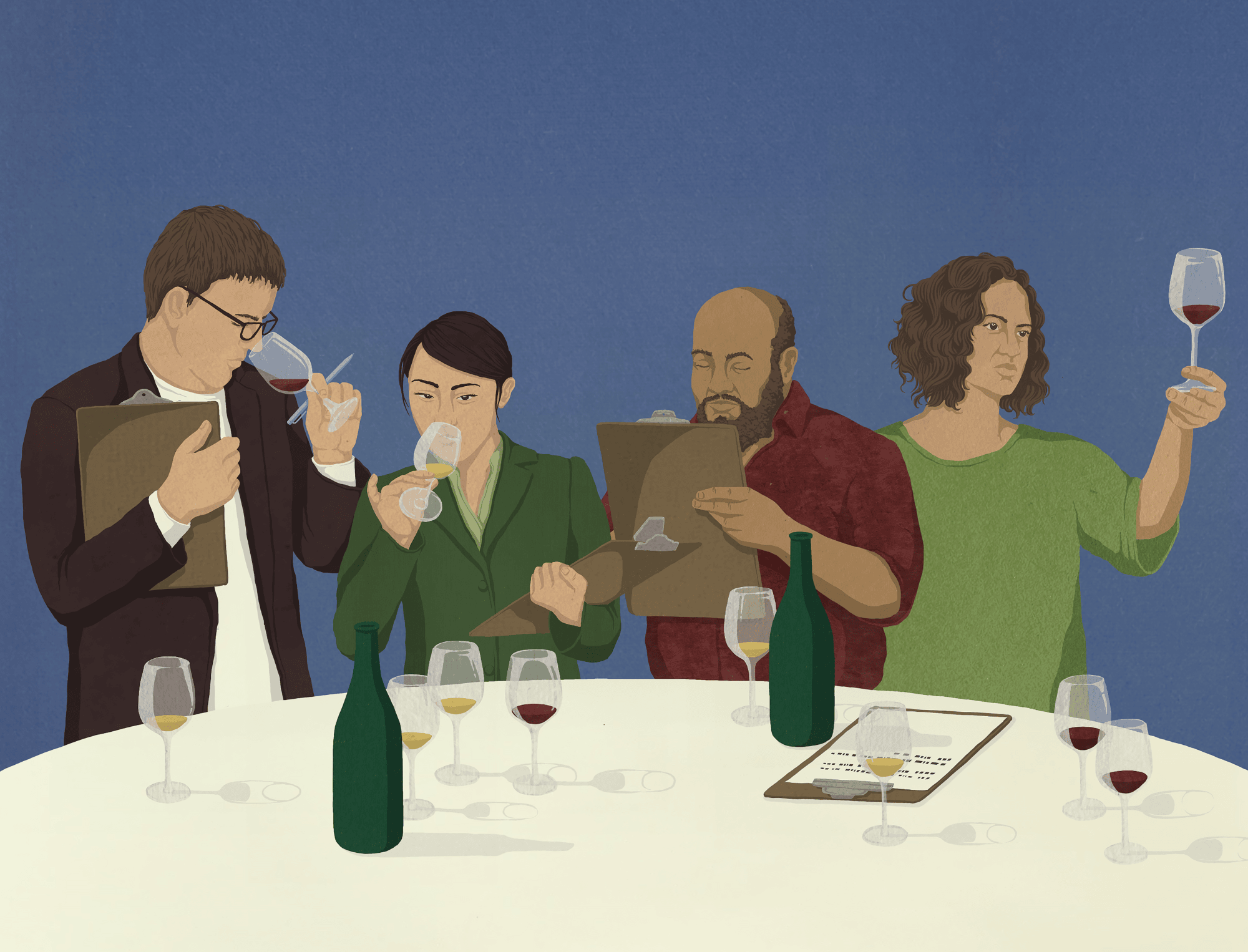
The tablecloth was white, and the wines were red. The organizers were British and American, and the judges were French. And pretentious.
Actually, that last part probably conveys an unfair French stereotype. Let’s just say they were confident.
There were nine of them. Each came to the Intercontinental Hotel near the Champs-Élysées in Paris to compare the tastes of ten glasses of American and French wine — cabernets and chardonnays — poured from unmarked bottles.
It was May 24, 1976. Around 3pm, the judges took their first sips.
Within days, the global wine industry would be changed forever. So would the life of an American immigrant who’d become known as the King of Chardonnay.
The suffering that built a wine legend
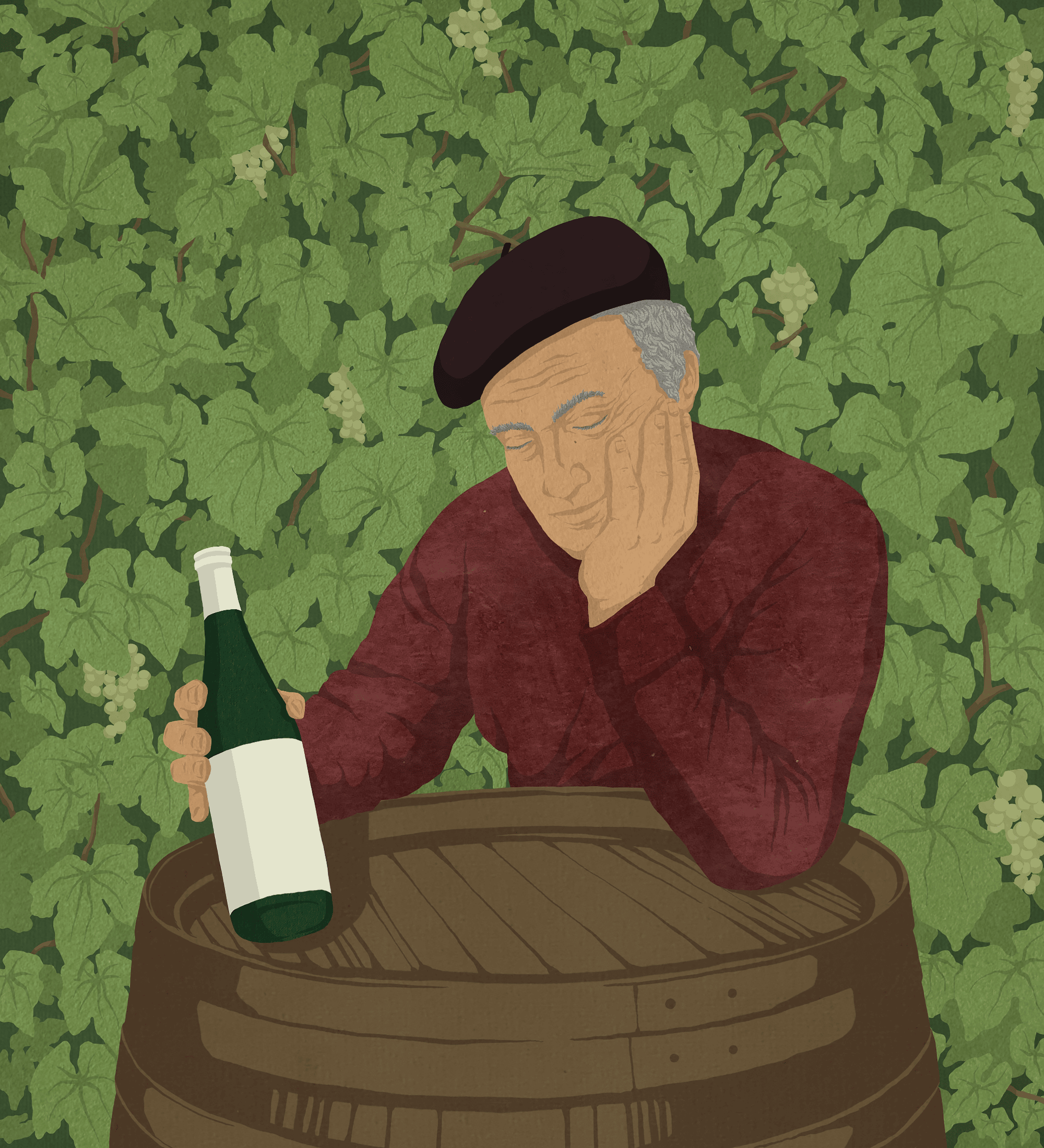
Miljenko “Mike” Grgich’s love affair with wine began with a moment of trepidation. One day, when he was about two and a half, he got in trouble and his mother stopped breastfeeding him as punishment.
“She said, ‘No more milk,’ and I thought I was going to die,” Grgich recalled in an oral history interview. “She said, ‘No, you are not going to die. I’ll switch you from milk to wine.’”
 Olivia Heller/The Hustle
Born in 1923 in tiny Desne, Croatia, he was the youngest of 11 children. His father raised sheep, grew wheat and corn, and made wine, following the mantra of “drink the best, sell the rest.”
The farm didn’t have electricity or machinery, so every child had to help. Grgich stomped grapes at age 3.
Later, he studied winemaking at the University of Zagreb, supporting himself by working at a genetics institute. He didn’t own a car, much less a bike, and lived in a small room originally built for maids.
“I knew that I had to suffer,” he said. “The only lucky thing I have in my life is that I know that in life one has to suffer, and I accepted suffering as a part of life.”
His goal was to get out of Communist-run Yugoslavia and make wine in California. Grgich had family in the Pacific Northwest, and one of his professors raved about the state’s climate.
At the time, America mostly produced cheap jug wine (the equivalent of watered-down Franzia, without any bag to slap). Even the nicer California wines were better for washing down food than savoring for taste.
The global culture of wine was dominated by the French and, more specifically, the French concept of terroir. Translated as “sense of place,” terroir means that soil, climate, and other environmental factors are tied together with the quality of grapes and the character of wine they produce.
Terroir was loaded with subtext: It meant that only France and its centuries-old wine culture had ideal terroir. And that any wine grape grown outside France was naturally inferior.
No wonder that, in the 1940s, France produced ~2B gallons of wine annually, while the US made ~150m gallons.
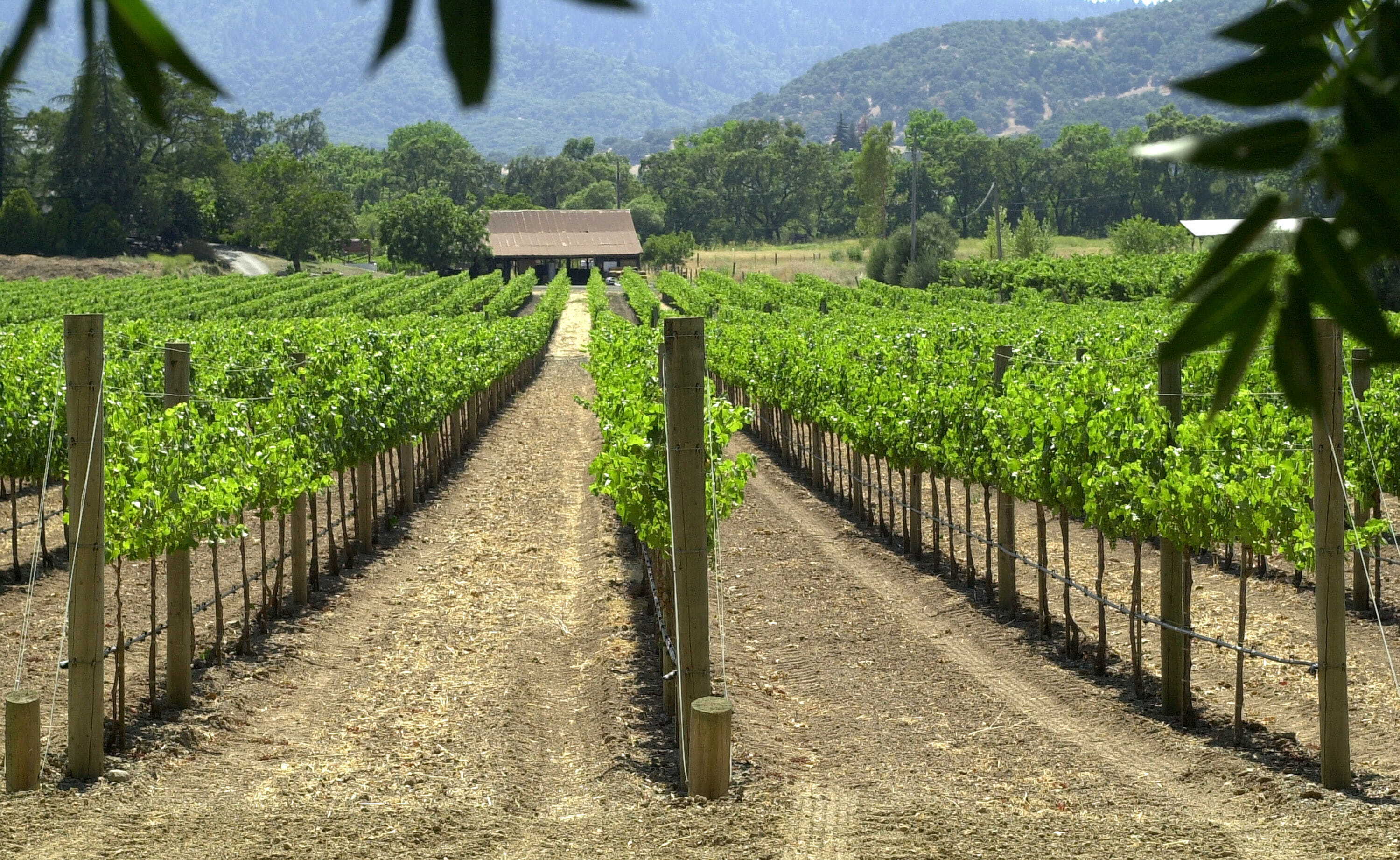 Grape vines in Napa Valley. (Justin Sullivan/Getty Images)
But America was slowly building a wine culture.
- University of California, Davis professor Harold Olmo bred dozens of grapes better suited for California.
- Fellow professors Maynard Amerine and Albert Winkler released the Amerine-Winkler Index that helped winemakers develop ideal growing conditions — good terroir, if you will.
Grgich immigrated to the US in 1958 — after first escaping to West Germany on a temporary visa — as these innovations spread. He got a job with Chateau Souverain in Napa Valley by advertising himself in the Wine Institute’s bulletin. For four months, he picked grapes during the day, crushed them in the evening, and cooled the juice at night.
Then came stints with Beaulieu Vineyard and Robert Mondavi. His biggest break yet came in 1972. Attorney James Barrett purchased the long-neglected Chateau Montelena and brought on Grgich to design the winery and all the wines.
Their first was a chardonnay.
“I put all of my body and soul into it,” Grgich recalled.
Meanwhile, ~20 miles south, an academic named Warren Wisniarski, who’d grown disenchanted with the higher ed rat race, opened Stag’s Leap Wine Cellars in 1970, where he planted Cabernet Sauvignon grapes.
In 1973, the growing season was warm and dry, nearly ideal for the California wineries. The Stag’s Leap cabernet and the Chateau Montelena chardonnay were priced at a modest ~$6 per bottle and earned rave reviews locally when they were released in 1975.
They also happened to catch the attention of a wine lover returning home from France.
A tasting turned into a contest
Patricia Gastaud-Gallagher worked at a Paris wine shop owned by Brit Steven Spurrier. Since 1971, she’d held annual tastings for American wines and wanted to ensure she featured the country’s best for the US bicentennial in 1976.
In fall 1975, Gastaud-Gallagher visited her sister in San Diego and made an extra stop to taste wines in Napa Valley, where she was impressed by Chateau Montelena and Stag’s Leap and decided they should be part of the 1976 competition.
To Gastaud-Gallagher, the event was supposed to be “educational,” she later told the San Francisco Chronicle.
 Olivia Heller/The Hustle
But, in addition to the luminaries in the French wine community, she and Spurrier invited George M. Taber, a Paris correspondent for Time whose coverage heightened the drama.
He was the only one in the room with the cheat sheet indicating which wines were which and sensed a story as he heard the French judges commenting on the superiority of French wines, completely unaware of what they were drinking.
“There was one dramatic moment where a guy holds up a wine and says, ‘Ahh back to France,’” Taber later recalled.
It was one of the American wines.
Each wine was given a maximum score of 20 points by each judge and at the end of the tasting the American wines had won.
The first place cabernet was Wisniarski’s Stag’s Leap. And the first place chardonnay was Grgich’s Chateau Montelena.
Grgich’s American Dream
The news spread fast. Taber’s story in Time, which had a circulation of ~20m, hit newsstands on May 31. “The unthinkable happened,” Taber wrote. “California defeated all Gaul.”
That morning, Acker Merrall & Condit, New York City’s most distinguished wine shop, sold five cases of the Chateau Montelena chardonnay. It typically sold a few cases of American wine per month.
The French judges were in such disbelief that they asked for their notes back. The New York Times’s wine critic tried to downplay the significance of the event, which went down in history as “The Judgment of Paris.”
“Is such a tasting a valid judgment on the quality of the wines involved? Probably not,” he wrote.
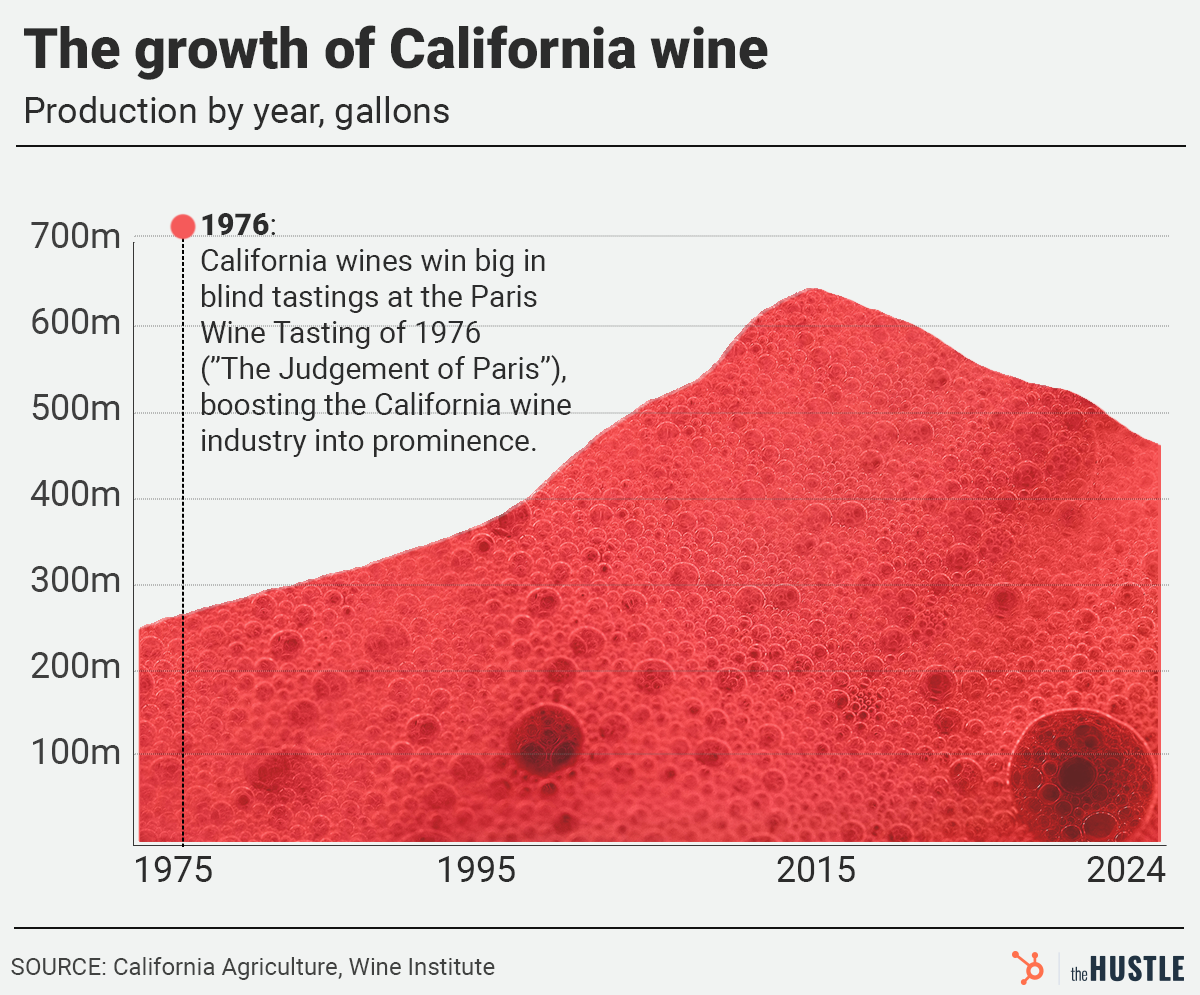
But the early rush of sales was a sign of things to come. Over the next 20 years, annual revenues for California winemakers climbed from ~$150m to $2.5B.
“The artificial hierarchy which had been created by France was no longer viable worldwide” after the Judgment of Paris, Wisniarski would say.
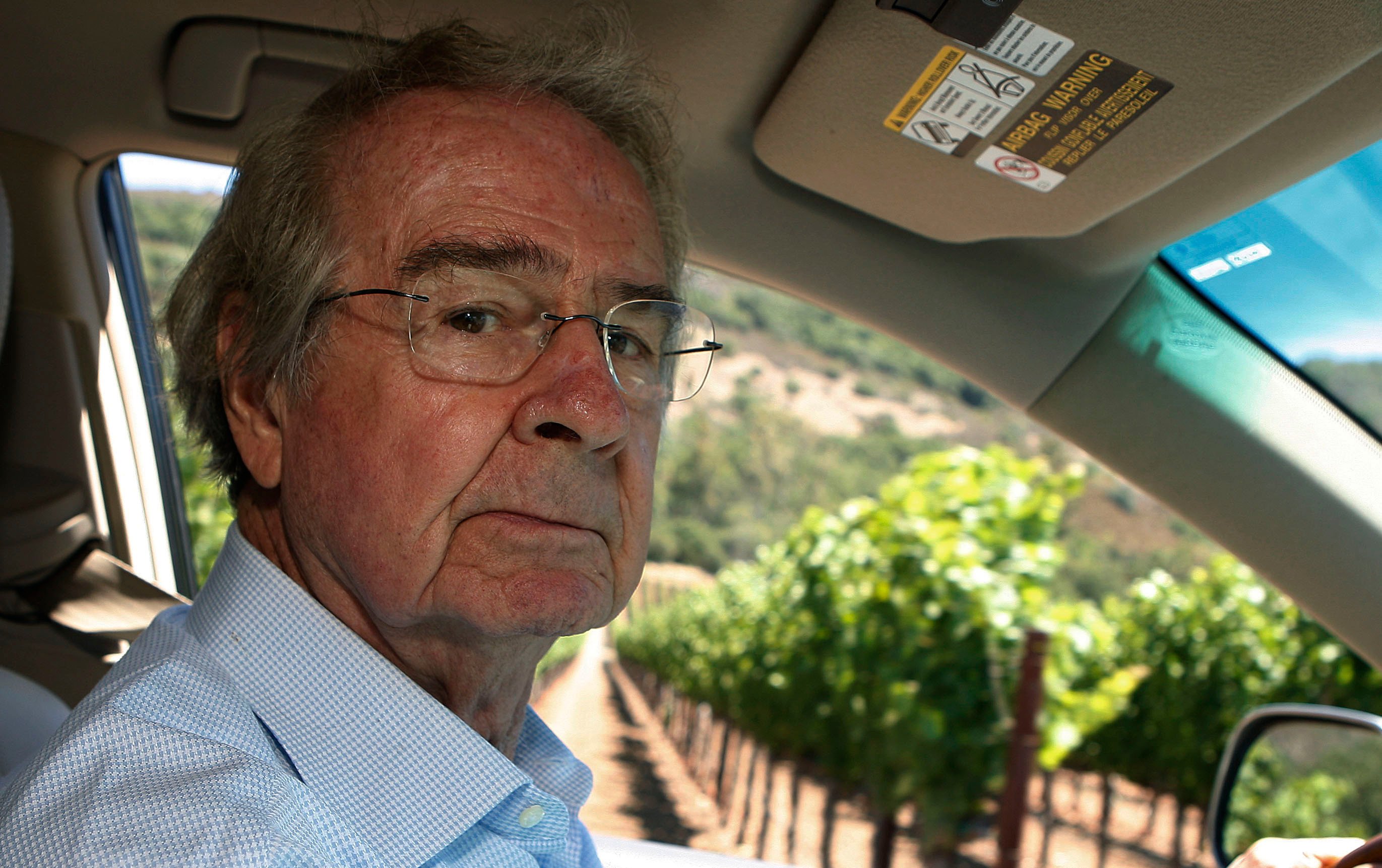
Warren Wisniarski left an academic career to make wine, which he’d fallen in love with while studying Machiavelli in Italy. (Liz Hafalia/The San Francisco Chronicle via Getty Images)
Back in California, after the contest, Grgich received a phone call from Taber for the Time story. He didn’t know what the reporter was talking about. He still didn’t know when Barrett, the Chateau Montelena owner, sent him a telegram.
It was only after the story reached local TV stations and newspapers that he realized what happened and how much his life was about to change.
The next year, he partnered with businessman Austin Hills and opened his own Napa Valley winery, Grgich Hills Estate. To Grgich, it felt like he’d been born again.
The globalization of wine
The legend of the Judgment of Paris grew over the years: Professors performed a statistical analysis of the original competition, wineries held anniversary tastings, Bill Pullman and Chris Pine starred in a film loosely based on the event.
Today, there are nearly 5k California wineries, up from ~330 in the mid-1970s. Countries like Argentina and Australia benefitted from the Judgment of Paris, too, as wine aficionados realized good wine could come from all over.
 The Hustle
Grgich’s winery, now run by his daughter, Violet Grgich, makes ~55k-75k cases per year. His goal was quality and community. Early on, he’d ask people to write to his PO Box if they couldn’t find Grgich Hills Estate wine in their area.
Pairing a trademark blue beret with his thick European accent, Grgich dazzled Napa Valley visitors. As a Houston Post writer observed in the early 90s, he was “catnip to women and a magician when he makes wine.”
He didn’t consider himself a winemaker, though. “I’m a wine sitter. I sit with the wine and see what it needs.”
And he’d do whatever was needed, even after he became famous and luminaries like Queen Elizabeth tasted his wine: “I’m still accepting suffering,” said Grgich, when he was nearly 70 years old. “When I make my wines and have to get up at three o’clock in the morning, I get up.”
This year marks the first major anniversary of the Judgment of Paris without the two winning winemakers. Wisniarski died in 2024 and Grgich lived to be 100 before dying in 2023.
In an interview with The Hustle, Violet Grgich said her father liked to say that wine and women were the key to his longevity. “But I think it was definitely his determination.”
The night before he died, Grgich asked who’d be taking care of payroll the next day. “Of all the things he was most proud of, it was providing employment for 50 people,” Violet said. “That was the most important one.”
Grgich never felt that he’d made the best chardonnay in the world, but he’d always light up when given the opportunity to talk about the Judgment of Paris.
 Grgich (YouTube/Grape Collective)
In a 2015 interview with the Grape Collective, he explained how the concept of terroir — that only the French climate could produce great wine — was “propaganda and marketing” and was shattered on that May afternoon in 1976.
“When Napa Valley soil came to Paris and beat them up,” he said, “their argument [was] gone.”
alcohol