No one drinking anymore? Not on their watch
You’ve seen the bottles of health elixirs lining the grocery store. Want to hit a bar on a school night? There’s a mocktail for that. Cans of seltzer and near-beer line grocery store shelves. No one is drinking anymore.
Across the US and North America, alcohol sales are down. Alcohol spending, as a share of overall spend, is at a 40-year low.
Revenues are in freefall: Bloomberg estimates shares of the world’s top alcohol companies have lost ~$830B in the last four years.
One British company, with a wild, checkered past, is bucking the trend. How?
Wreck the hoose juice
Known now to local fans as “wreck the hoose juice,” “commotion lotion,” or just “Bucky,” Buckfast tonic wine had more dignified origins.
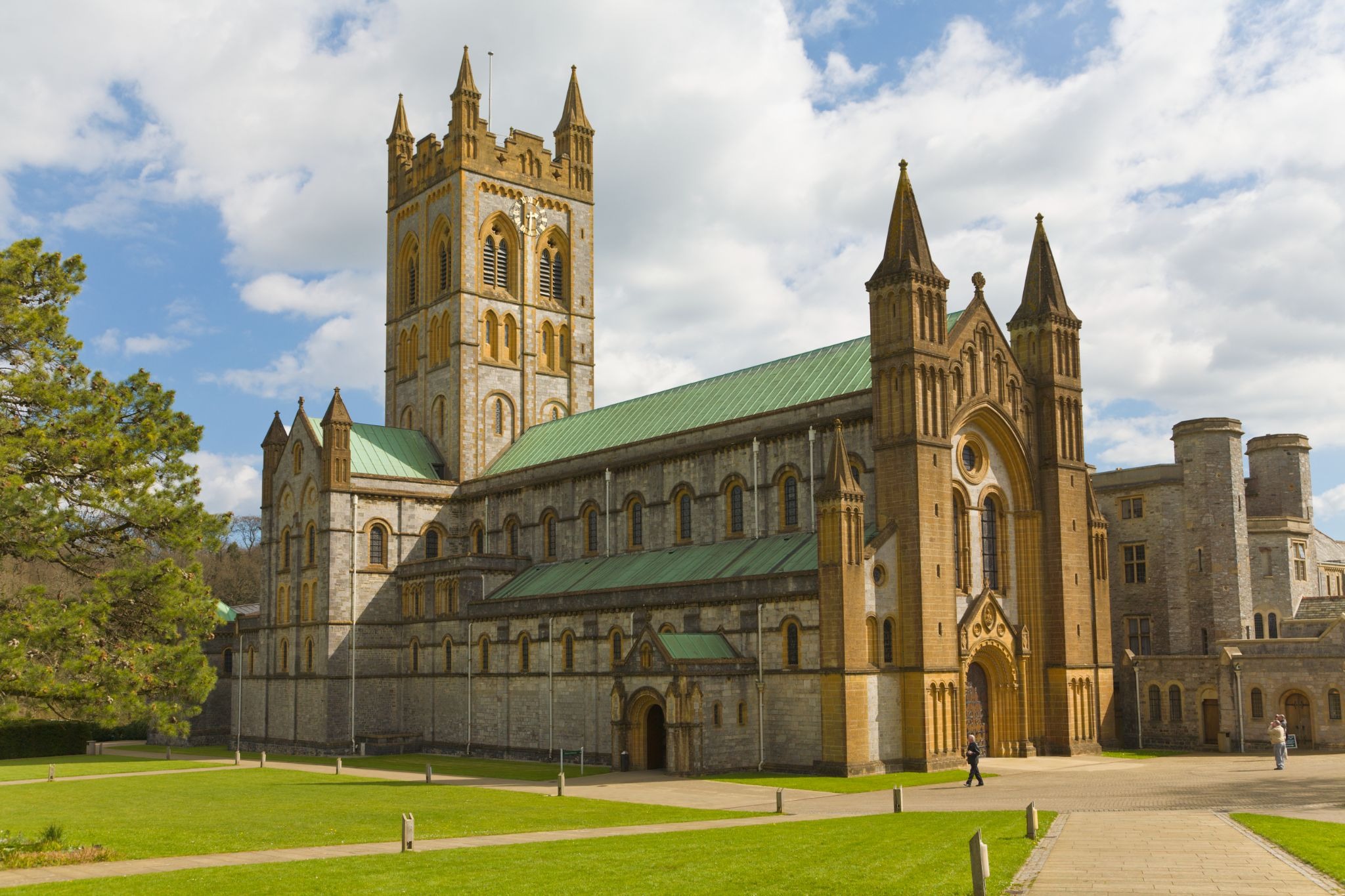
Buckfast Abbey, where Buckfast Tonic Wine originated. (Photo by PA Thompson/The Image Bank via Getty Images)
Production began in 1882. Initially sold as a medicine, the tonic was first adapted from a Spanish mistella recipe. A group of Benedictine monks living in the stately Buckfast Abbey on the moors of Devon, England, added a proprietary spice mix, and Buckfast tonic wine was born.
As a side hustle to help fund their charitable works, the monks opened a bottle shop and filled orders that came in by mail.
By 1927, they were selling 1.4k bottles a year.
That same year, the abbott and a group of business partners established a new company, J. Chandler and Co., to handle the wine’s distribution. Demand kept growing.
Advertisements extolled it as a “health restorative of unequalled excellence,” made “from a secret process known only to the monks.” The monks’ reputation, they said, was guarantee of its purity, and it could help with convalescence, depression, anemia, depleted vitality, loss of appetite, and more.
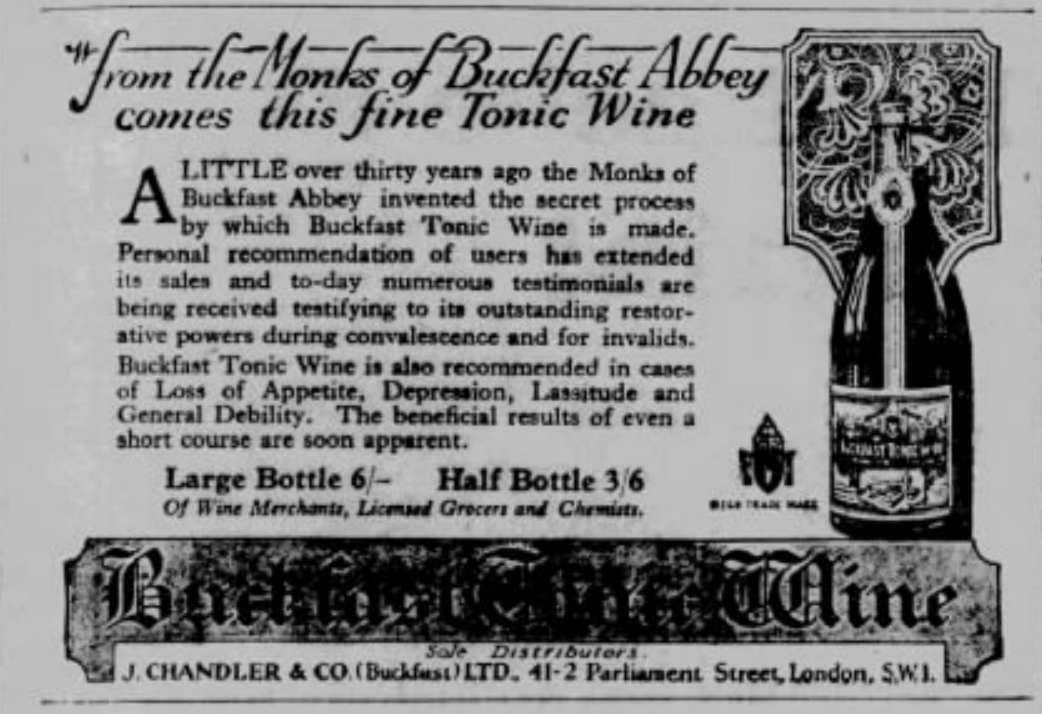
Advertisement from Dublin’s Evening Herald in 1928. (Photo by newspapers.com)
Over the decades, Buckfast’s recipe sweetened and evolved. J. Chandler and Co. distributed the wine through chemists, which added to its medicinal image. In winter, and during reported flu outbreaks, sales went up. By the 1950s, they were advertising it as giving imbibers “a new lease of life” if they were recovering from an illness.
In 1968, new regulations meant companies without any health benefits had to tweak their advertising. “To make you feel better, be better,” one advertisement read.
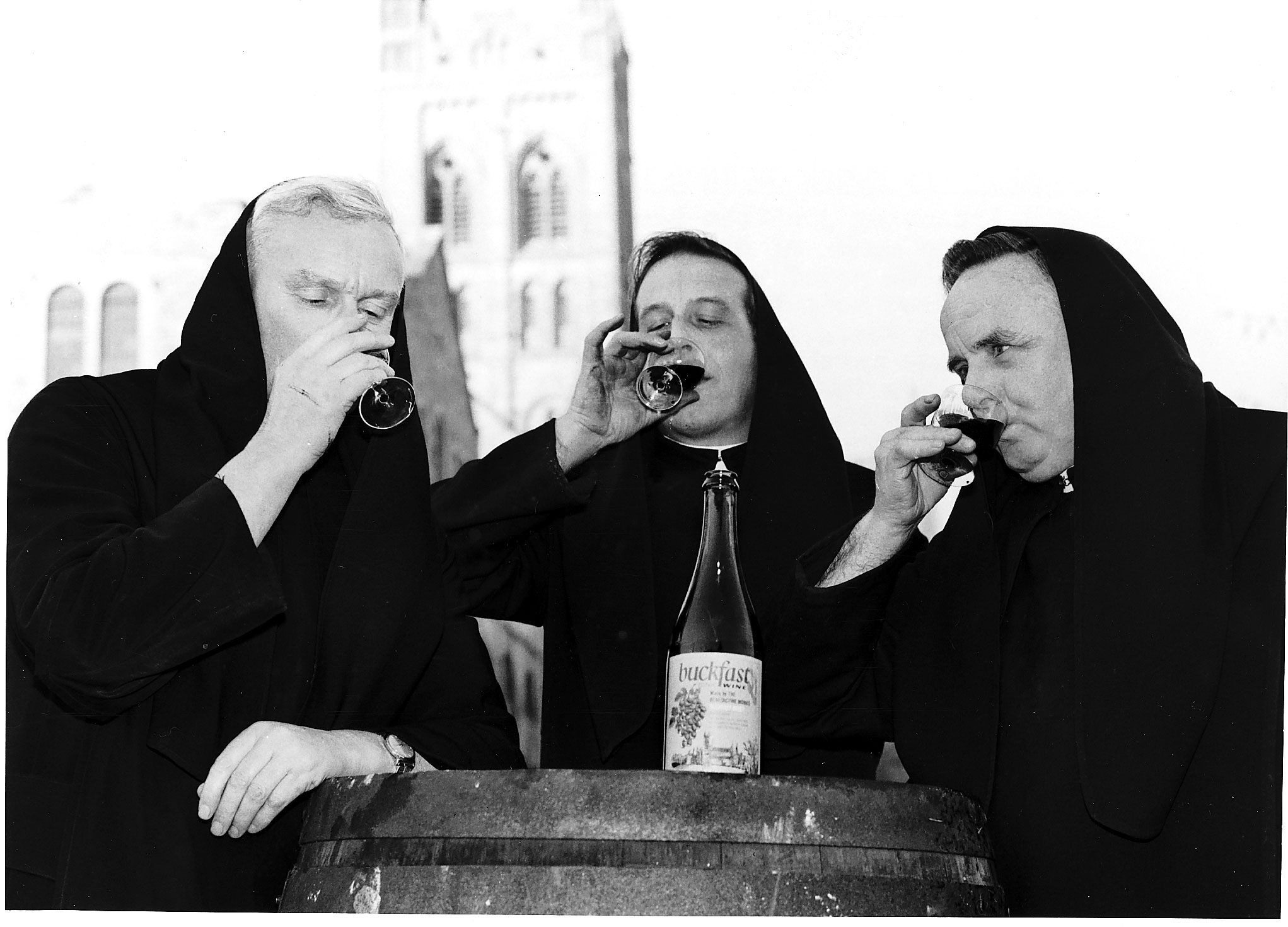
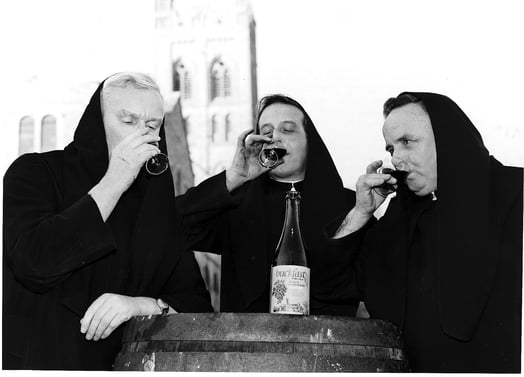
Monks testing their wares. (Photo by Daily Mirror/Mirrorpix via Getty Images)
By the 1980s, though, the wine had become known for youth binge drinking, a reputation that has since endured for 40 years.
As one writer put it: “Buckfast is syrup-thick, tastes like a palatable mixture of Riberna and Benylin and gets you pretty uniquely trashed.” Its fortified wine recipe clocks in at 15% ABV, and contains more caffeine than eight cans of Coke.
Hooliganism
It’s especially popular in Scotland, to the chagrin of local police in some of the country’s most deprived regions where it’s become linked to crime.
Back in the 90s, one legislator threatened to call the pope if the monks didn’t do something about the social havoc wreaked by the booze, broken bottles lining town streets after wild nights out.
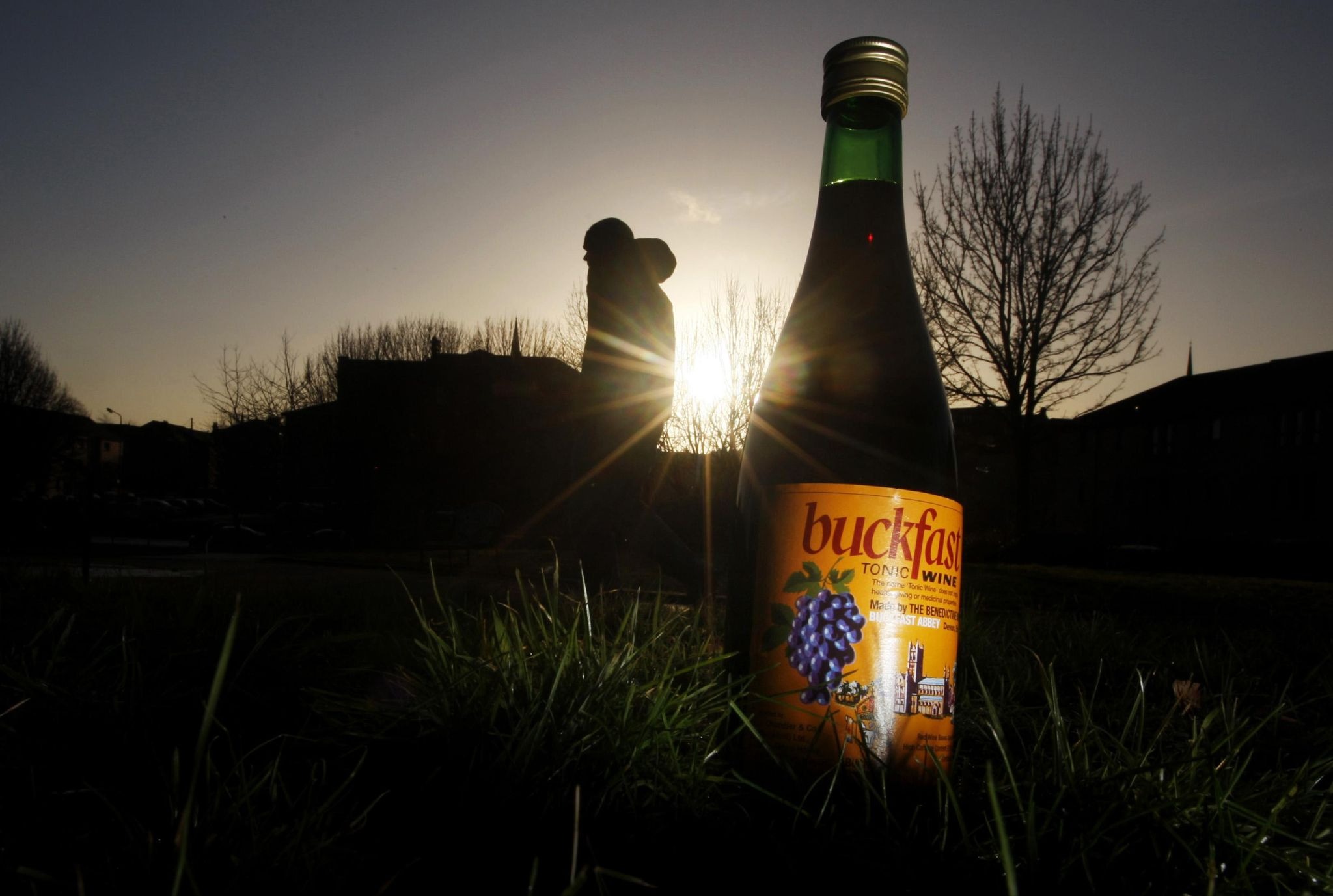
Bottles of Bucky line shelves at supermarkets and off-licences, aka UK liquor stores. (Photo by Danny Lawson/PA Images via Getty Images)
The association ignited a decades-long debate over who was responsible for the hooliganism — the drink-makers or the drinkers themselves.
A BBC report in 2013 offered a startling discovery: an analysis of police reports from Strathclyde, an area in what’s known as the Buckfast Triangle in Scotland, found mention of the brand in 6.5k reports over a three-year period. A couple years later, a Scottish Prison Service survey found that 43% of offenders drank Buckfast before their latest offense.
In 2014, the company introduced cans, instead of its traditional glass bottles, in an effort to cut down on bottle attacks and bodily injuries. According to news reports, the 16k run of cans sold out in its first month.
The next year, legislators proposed a bill to regulate alcoholic drinks with high caffeine content. It was voted down.
The wine market, according to market intelligence firm Mintel’s senior research analyst Alice Baker, is fickle.
“It’s a very fragmented category,” she says. “There’s not much brand loyalty. People are far more driven by a flavor profile than a brand.”
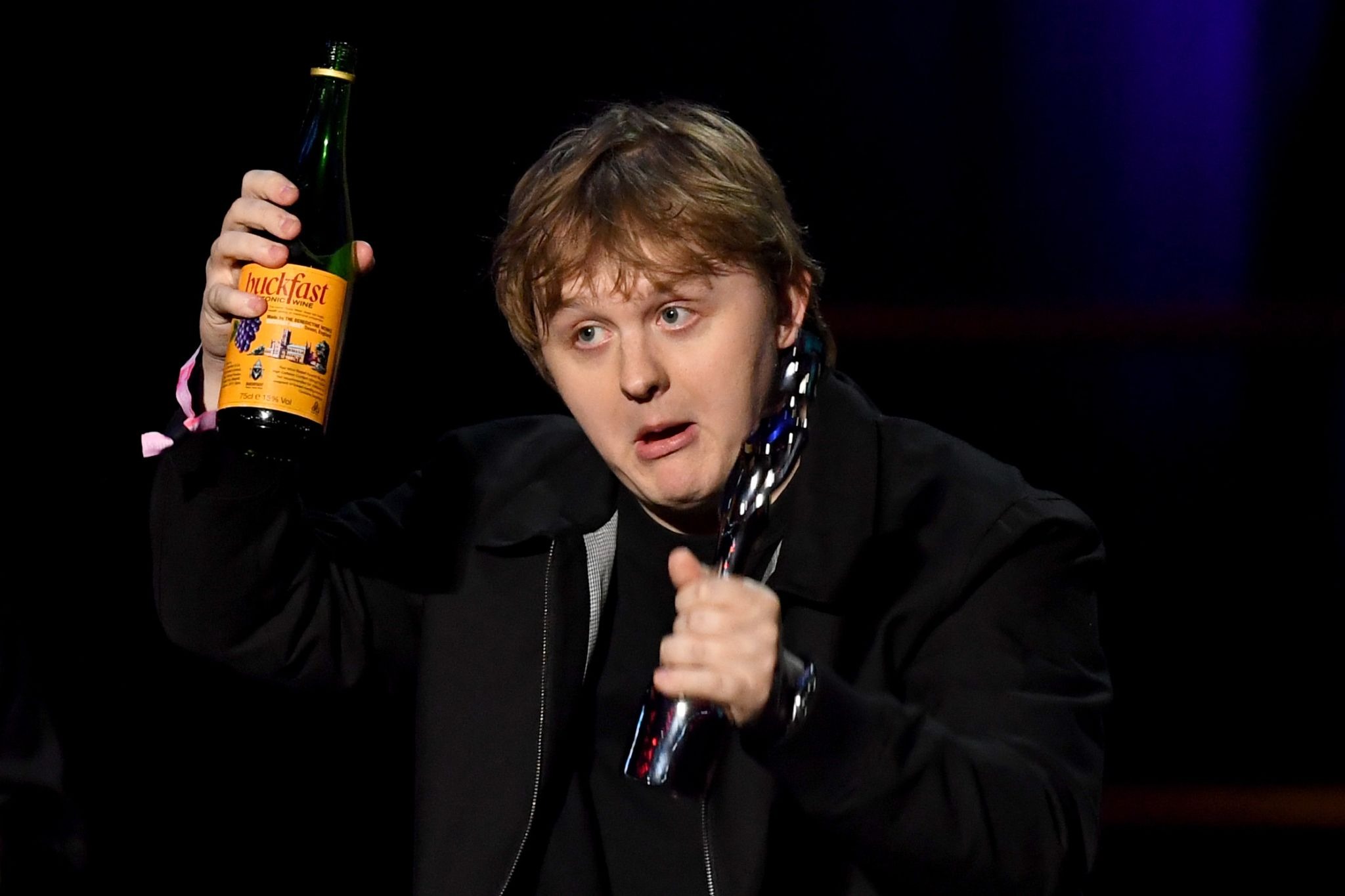
Singer Lewis Capaldi accepts the Brit Award for best new artist, Buckfast in hand. (Photo by Dave J Hogan/Getty Images)
Buckfast’s success, she says, lies in how it leans on its heritage — and its unique formula.
It’s a recipe fans are deeply devoted to. For a time, fans calling themselves Buckateers celebrated World Buckfast Day every May. Fan pages on Facebook became collections of broken Buckfast bottles and arm-length Buckfast tribute tattoos.
Heady profits
Despite the chaos, Buckfast Abbey brews on.
Last year, profits soared 12%, to ~$82m, even in the face of a new 44% duty imposed by the UK government that taxes beveragemakers based on their alcohol content.
J. Chandler and Co., that company started ~100 years ago, still helps make and distribute the wine and employs just 25 people. (They didn’t respond to The Hustle’s request for comment.)
Baker says while tonic wine is a small slice of the overall wine market, Buckfast is making strides among younger drinkers by appearing at music festivals and running meal-pairing campaigns. They’ve also started producing merch to gain a toehold among football (read: soccer) fans.
Alongside improved marketing strategies, another theory that could help explain Buckfast’s continued success is nihilistic indulgence. Coined by Euromonitor’s global insights manager Spiros Malandrakis, the term illustrates the growing pressures faced by younger consumers who have grown up amid mounting economic pressures and faltering social safety nets.
“The idea has emerged from looking at previous periods of major socioeconomic upheaval and from little signs that I’m seeing in adjacent industries, such as tobacco,” he told Vogue Business last month.
“In many cases, it could mean opting for higher-alcohol products rather than non-alcoholic alternatives. Why not make the most of the present?”
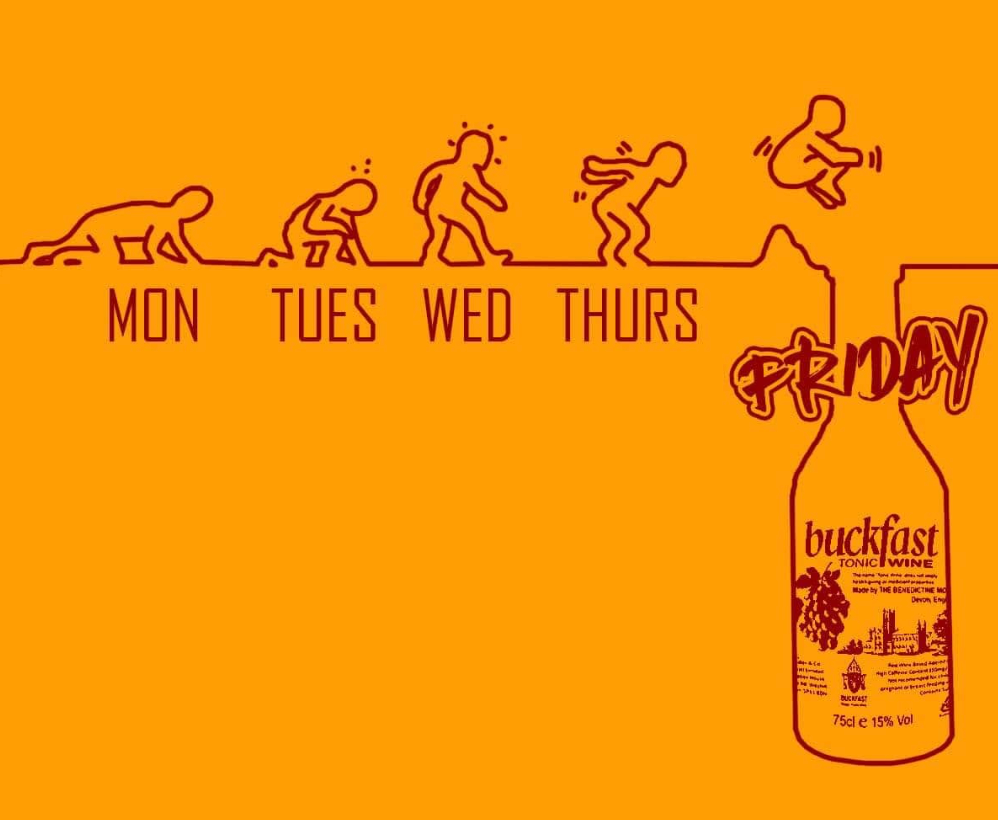
Buckfast fan pages online are filled with memes celebrating “the best wine in the world.” (Facebook)
Sean Murphy, a Glasgow journalist who covers the food and beverage industry, attributes the drink’s popularity to:
- Accessibility: it’s widely available and often the only tonic wine on offer on supermarket shelves.
- Affordability: a 750mL costs ~$15 a bottle.
- Nostalgia: its links to Scottish culture have made it cool with students and hipsters, who drink it with nostalgic irony.
“It’s also the type of drink you can chip in for and share with friends,” he says. “The quarter bottles can easily fit in a pocket or, if you’re at a wedding, a kilt sporran.”
Murphy says one of his friends — a superfan so great she had Buckfast party favors at her wedding — has a saying.
“It’s either a good start to a night, or a terrible — but funny — end to it.”
The wine has inspired pasties (meat pies), easter eggs, and candy flavors. It’s called Lurgan champagne, after a small Irish town, or a calorie-laden gut-buster, depending on who you ask. And the monks, who earn a royalty on every bottle sold, made $7.4m last year, up from $6.6m the year before.
“Jesus turned water into wine,” one writer wrote in the Daily Record in 1997. “These guys are turning wine into money.”
That’s Bucky for you!