
QR codes are here. Barcodes should be very afraid.
In 1992, on a factory floor in a Toyota auto-parts subsidiary in Japan, workers were drowning in barcodes.
They were everywhere: some components on the line needed ten barcodes just to capture all the tracking data. Employees scanned them, one by one, hundreds of times a day.
Masahiro Hara, an engineer on the barcodes team at Denso, the subsidiary, tackled the problem. What if, he reasoned, you could build a barcode in two dimensions instead of one? You could pack it with information, cutting the number of scans from ten to one on every item.
In the company cafeteria, Hara watched as his coworkers squared off over a game of Go, a board game played with black and white stones on a grid. The contrast he saw there inspired the design for what would eventually become the QR code, a code that can be read from any angle and hold 200x more data than the barcodes emblazoned on the products we buy today.
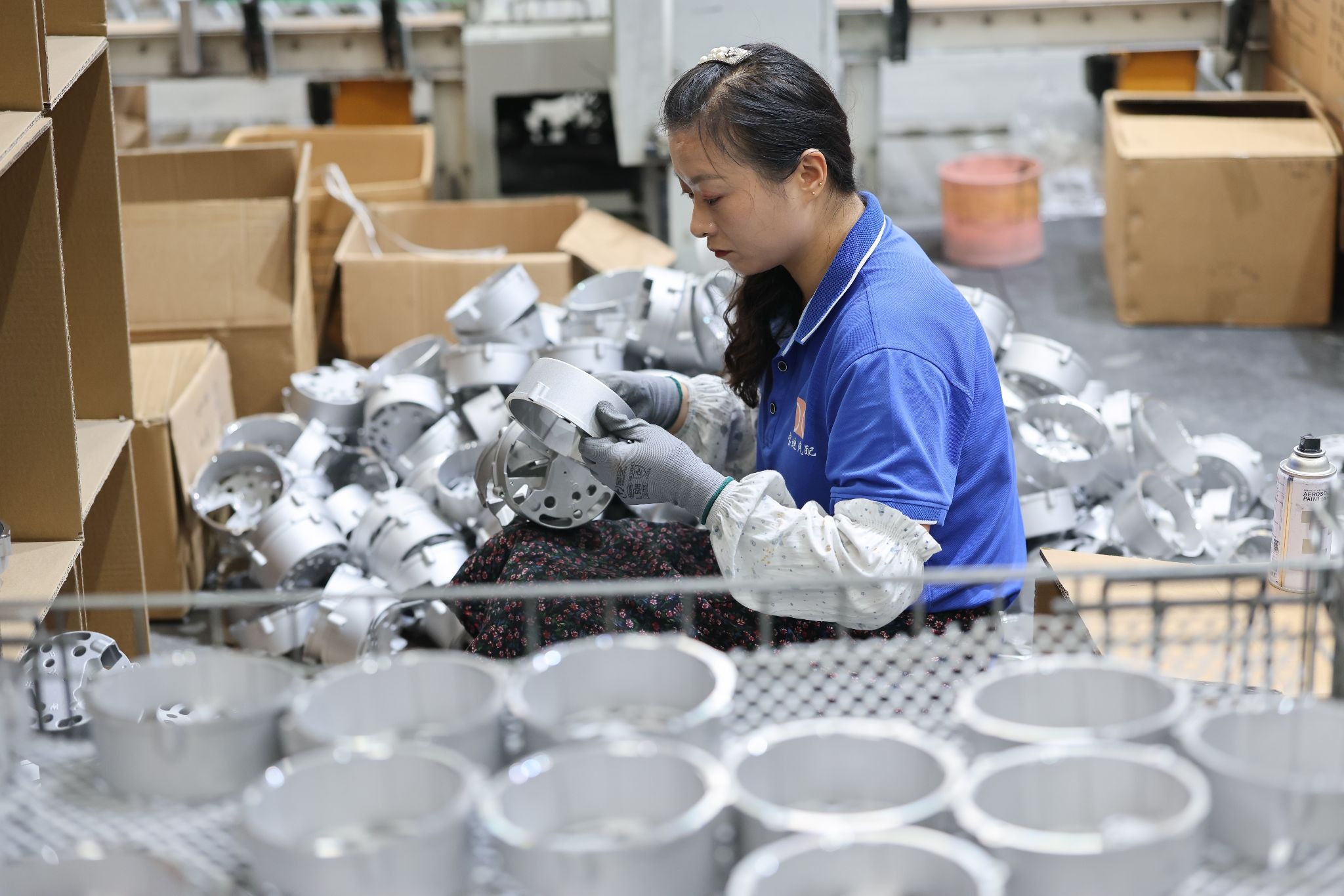
Workers at Denso’s auto parts factory were scanning components covered in barcodes before QR emerged. (Photo by Si Wei/VCG via Getty Images)
After a year and a half of work on the QR, Denso patented the innovation. Rather than enforce royalties on it, they published the specs so any company could use it for free.
And that decision is about to change every single thing you buy.
QR code takeover
Twenty years earlier, in 1974, a cashier at a grocery store in Troy, Ohio, scanned the world’s first barcode, affixed to a pack of Wrigley's Juicy Fruit gum.
Grocery retailers and manufacturers had recently formed a committee and chosen the Universal Product Code, or UPC, as the single industry standard.
The decision created a network effect: once enough retailers required UPC codes on products, manufacturers had to comply. And once manufacturers printed UPCs on packages, retailers needed to buy scanners.
It also created a self-reinforcing monopoly, one that with widespread adoption reached critical mass by 1980.
The Uniform Code Council, now known as GS1, received the authority to issue the first six numbers of every barcode, called company prefixes. It’s the only way to sell mainstream retail products: there’s no alternative registry.
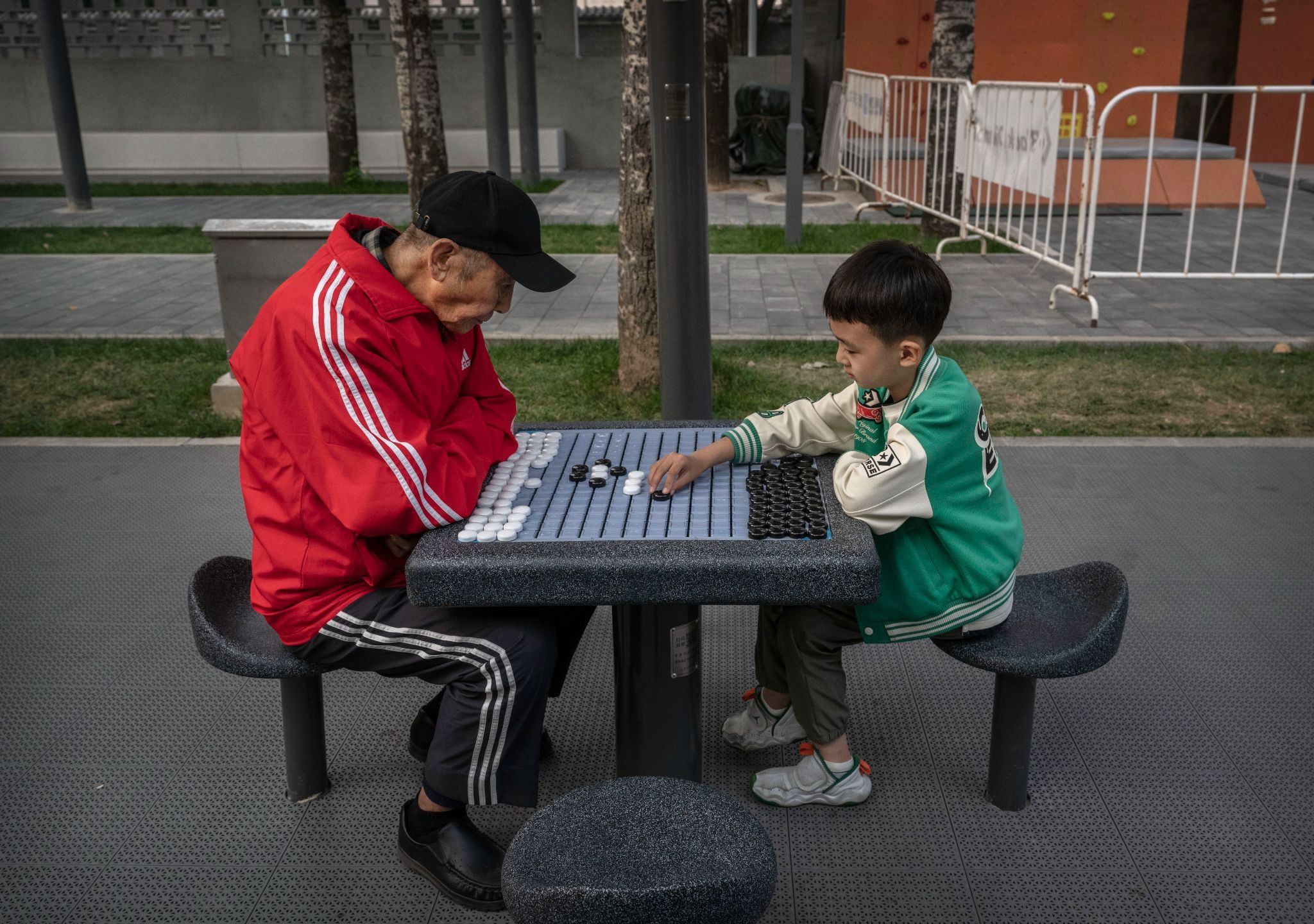
Inspired by the board game Go, Masahiro Hara developed a 2-D barcode. (Photo by Kevin Frayer/Getty Images)
Today, GS1 charges annual licensing fees for company prefixes, which scale with company size. It didn’t so much become a monopoly as it was set up that way. Barcodes have been a retail stalwart for the last 50 years, on more than 1B products scanned billions of times a day across the globe.
Two years ago, though, GS1 made an announcement. The barcode was out.
The organization was ushering in a new era, a global shift unlike any the retail industry has seen before. Much like the transformation of the ‘70s, retailers would begin to move to QR codes.
The real estate of packaging
Today’s packaging has to do a nearly impossible number of jobs with limited real estate.
- Sell the product.
- Satisfy legal requirements.
- Explain how to use it.
- Offer information about sourcing, ingredients, authenticity, and disposal.
You try fitting all that on a bottle of nail polish. “This is one of my biggest battles,” says Nicole Light, founder and CEO of packaging strategy firm Power in Packaging. She’s worked on product development and packaging design in everything from fragrance to beverages to meat and seafood to, yes, nail polish. She’s used to shrinking text down to sizes smaller than the human eye can comfortably read just to make everything fit — and to keep products within their industry’s regulations.
It’s some of those regulations that prompted Sunrise 2027, the shift GS1 is introducing next year.
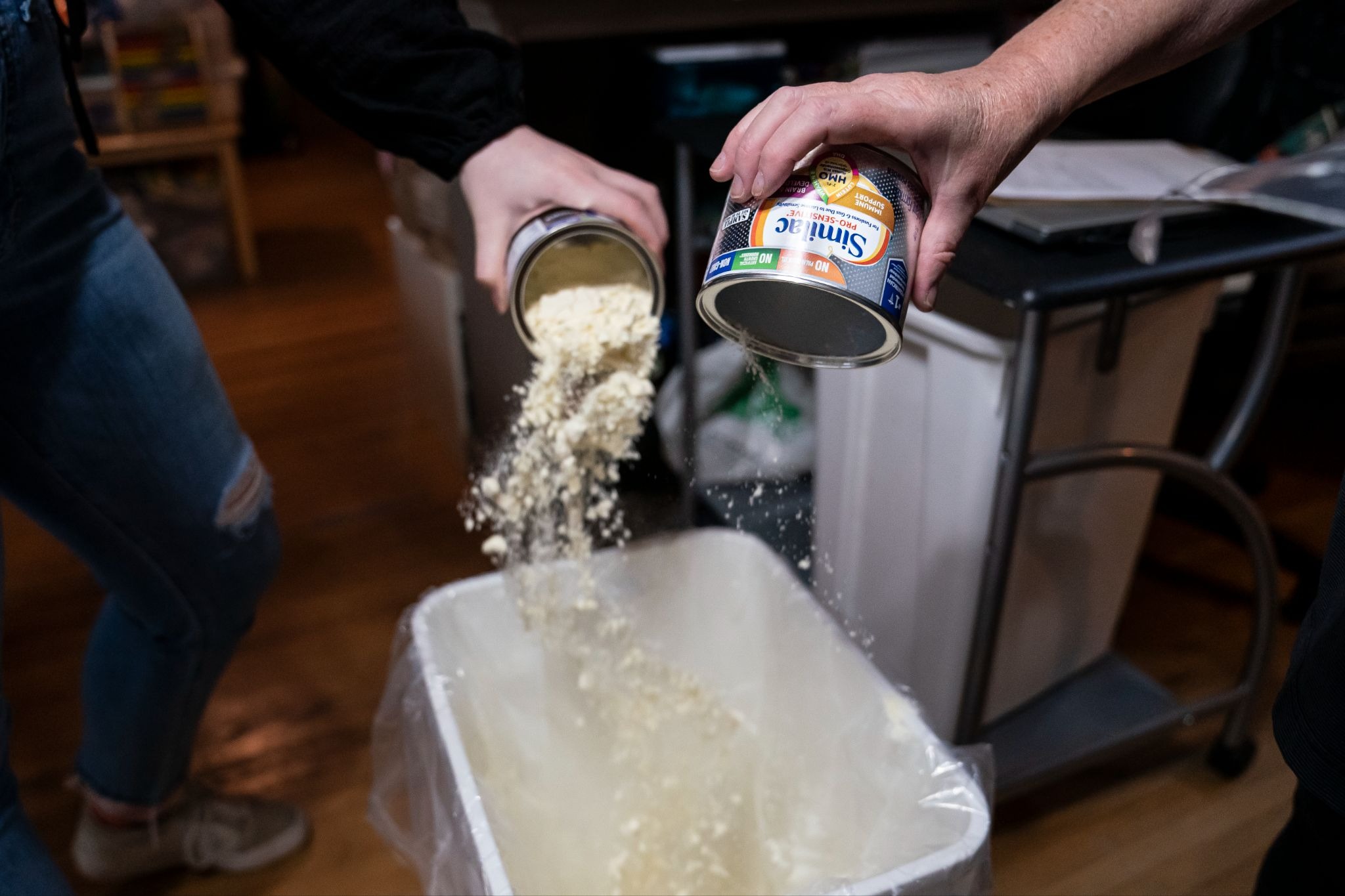
Food recalls, like the one on infant formula in 2021, meant manufacturers needed better tracking information for their products, and quickly. (Photo by Nathan Howard/Getty Images)
In the early 2020s, food recalls spiked. So did another problem for manufacturers: a barcode can’t tell you where a product originated, only what kind of product it is. That became an issue during contamination events like the great onion recalls of 2020 and 2021 and the great peanut butter poisoning of 2022. Later in 2022, the FDA mandated that manufacturers keep more detailed tracking information across the food supply chain, sparking a need for a better barcode.
The humble barcode has done its job brilliantly for 50 years, says Kate Hardcastle, business strategist and author of The Science of Shopping.
“It tells the till what the product is and how much to charge,” she says. “But that’s where the conversation ends.”
‘A futuristic experiment’
So what can a QR code do instead?
Hardcastle says a 2D barcode, like the QR, can tie a product to information about:
- Its origins and authenticity.
- Ingredients and allergens.
- Expiry dates.
- Environmental impact.
- Care and disposal.
The same code works at checkout, in the stock room, and for the customer.
Hardcastle, who helps GS1 conduct research, says nearly half of retailers she and GS1 polled have already started to introduce QR capabilities.
“This is no longer a futuristic experiment,” she says. “The infrastructure of shopping is already being rewritten.”
And Light adds that while brands can wait until retailers demand they add a QR code to their products, most probably shouldn’t. Consider all the things that will need to change in the overhaul:
- How systems talk to barcodes.
- How all the tracking data is stored.
- Labels on packaging.
- And more.
Bigger brands have the systems (and budgets) to weather a change like this. Last year, Unilever unveiled an upgrade of products across brands like Dove, Vaseline, and Hellman’s. It was a massive undertaking involving 45k SKUs.
“I have worked with a lot of these brands, and they change their packaging like they change their underwear,” Light says.
“So, in the grand scheme of things, it’s the companies that have used the same box for decades that are going to have to change it now.”
GS1’s shift isn’t mandatory or government mandated. But as Walmart, Costco, Target, and other retail behemoths change over to new scanners and tracking databases, brands risk being left behind (ie., off the shelves).
So what does this mean for suppliers?
“Printing a new square on a box is the easy part,” Hardcastle says. The new code is a link — and links need infrastructure. Making sure that information is accurate and contemporary is the real task.
It also presents a dilemma for packaging designers: until retail catches up, GS1 requires products to carry both codes, within 50mm of each other.
“Brands that wait until retailers insist on it may find they have an enormous data problem and very little time to solve it,” Hardcastle says.
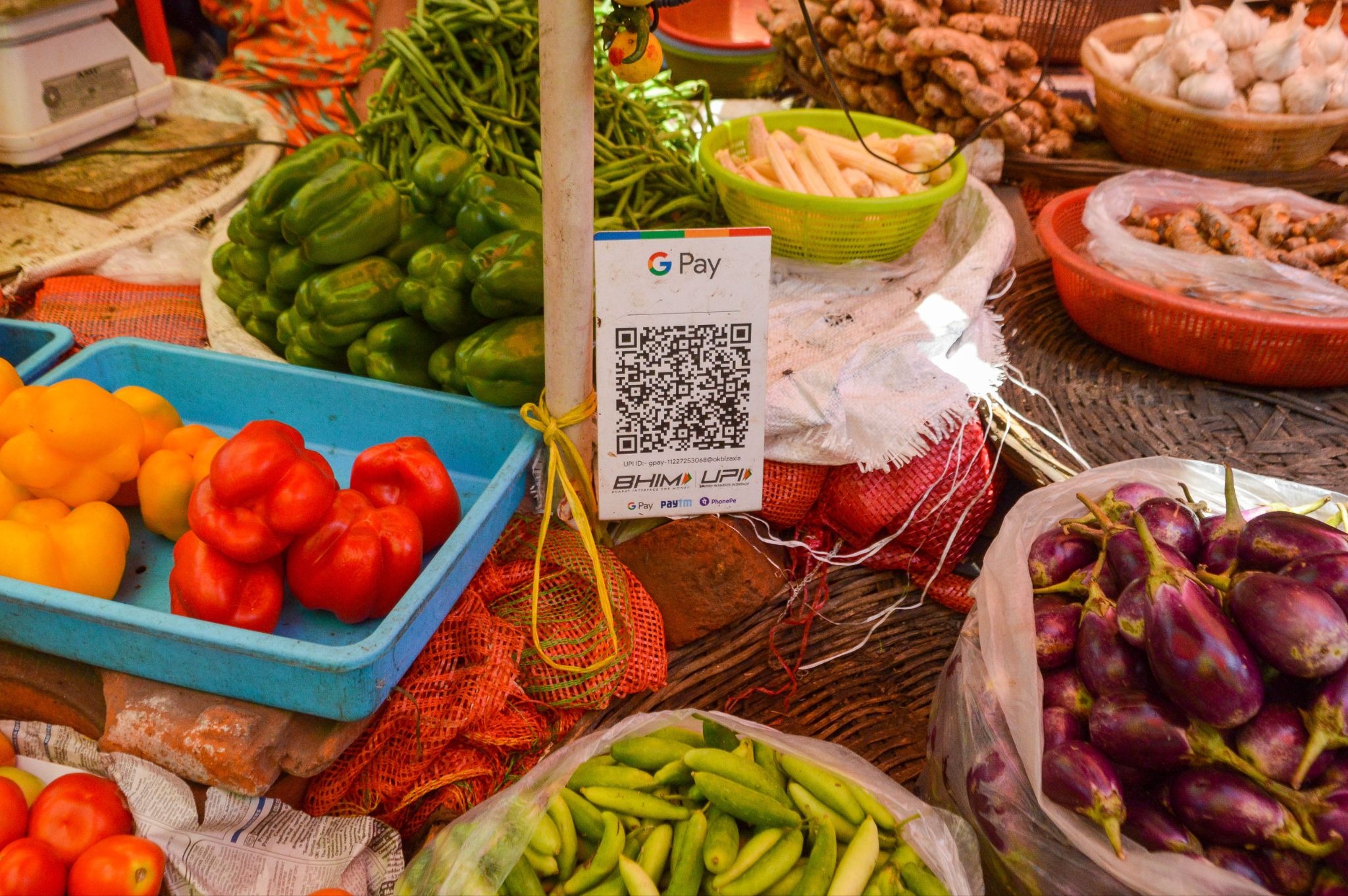
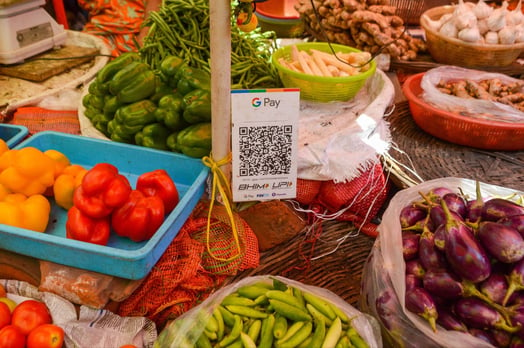
Get ready to see a whole lot more of these — on nearly everything you buy. (Photo by Debarchan Chatterjee/NurPhoto via Getty Images)
As for consumers? Hardcastle says her research with GS1 found that 79% of consumers preferred QR codes. But that doesn’t mean they’re scanning every box of berries in their grocery cart. Rather, Hardcastle says, they want useful information at the ready, waiting for when they actually need it. Think: a smattering of dinner recipes for parents in a pinch, or more information on a product’s origins for people in, say, a trade war.
“They don’t necessarily want more information,” she says. “They want the right information.”
As next year looms closer, Light says there are still scores of unanswered questions about how the changeover will play out. Will designers be responsible for quality control measures like scanning every QR code individually to ensure each link and landing page work? Will there be a number associated with each code so it’s easier to track inventory and keep databases?
“People don’t like change, and they don’t like change that’s going to cost money,” she says.
“No one is talking about it. It feels like a meteorite is hitting the planet and no one is paying attention.”