Though loss is universal, grief is often treated as a solitary journey. But it doesn’t have to be, and for a growing number of mourners, it isn’t.
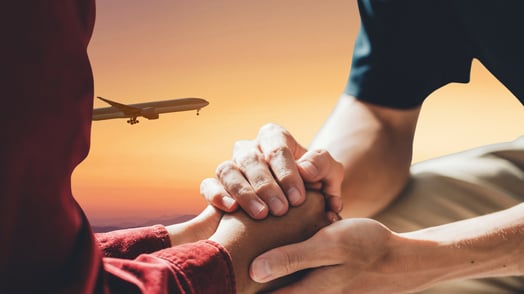
Grief treats are on the rise, bringing mourners together to heal in places more idyllic than your therapist’s office.
Sad-cationing with strangers
Grief getaways have been around for decades — Camp Hope has catered to grieving kids for 30+ years and Miraval Resorts in Tuscon, Arizona, created one of the first adult-focused retreats back in 2005 — typically combining therapist-prescribed activities like meditation and journaling with more modern wellness rituals, like nature walks, yoga, and massages, per Bloomberg.
But a wave of new options have sprung up at wellness resorts from California to Jamaica, and infused a sort of “choose-your-own-adventure” element to the grieving process, with niche offerings ranging from surf therapy to alternative medicine. For example:
- Behold Retreats hosts small-group ayahuasca retreats in Portugal, Costa Rica, and Mexico. The weekend-long trip includes one-on-one guidance and costs $3.5k.
- Tears of Amber & Gold in Sweden, from where the proverb “shared sorrow is half a sorrow” originates, involves a six-day grief ritual centered on Norse mythology and cold-water plunges.
- Malibu Dream Resort’s three-day “Healing with Horses” program combines equine therapy with somatic practices and therapist-led workshops.
Behind the trend
Demand for grief getaways — which is expected to push the global grief-counseling market from $2.73B in 2022 to $4.52B by 2029 — has grown steadily over the years, alongside other wellness-related travel trends, like burnout retreats and sleepcations, and bolstered by the loneliness epidemic.
- One-third of US adults are expected to be grieving a recent loss at any given time, and ~17% feel isolated from friends and family as a result, per a 2019 WebMD study.
- Processing grief without community, psychologist Thea Gallagher told Bloomberg, can exacerbate that sense of isolation.
Conversely, leaning on strangers for emotional support (as counterintuitive as it might seem) can alleviate some of the heaviness by turning loss into shared experience — even more so, perhaps, when that camaraderie comes with a serene landscape.
BTW: Loved ones aren’t the only losses people are grieving — group rituals and retreats for “climate grief” are also a thing.
%20copy%202-1.png)
.png)
-1.png)
-1.png)