%20copy%2013.png?width=524&height=393&name=SF%20TEMPLATES%20TO%20USE%20(3)%20copy%2013.png)
With childhoods spent building Legos and adulthoods spent assembling Ikea furniture, nostalgia for the Sears kit homes of yore tugs at the DIY heartstrings of many.
And while Sears assemble-it-yourself houses are no longer available, there's hope that factory-built homes could help address the affordable housing crisis, per Marketplace.
Some assembly required
Despite a lingering stigma around factory-built (AKA prefab homes) as flimsy and unsafe, the industry now offers higher-quality and affordable options:
- Mobile home: Built before 1976, when modern federal safety standards, on a chassis with wheels. Titled like a vehicle, harder to finance, and depreciates.
- Manufactured home: Constructed after 1976, to strict federal standards, and can be placed on a permanent foundation. Higher quality, potential for appreciation, and more financing options.
- Modular home: Enclosed sections built to city and state codes, assembled on a permanent foundation. Can be appreciated and financed with a traditional mortgage.
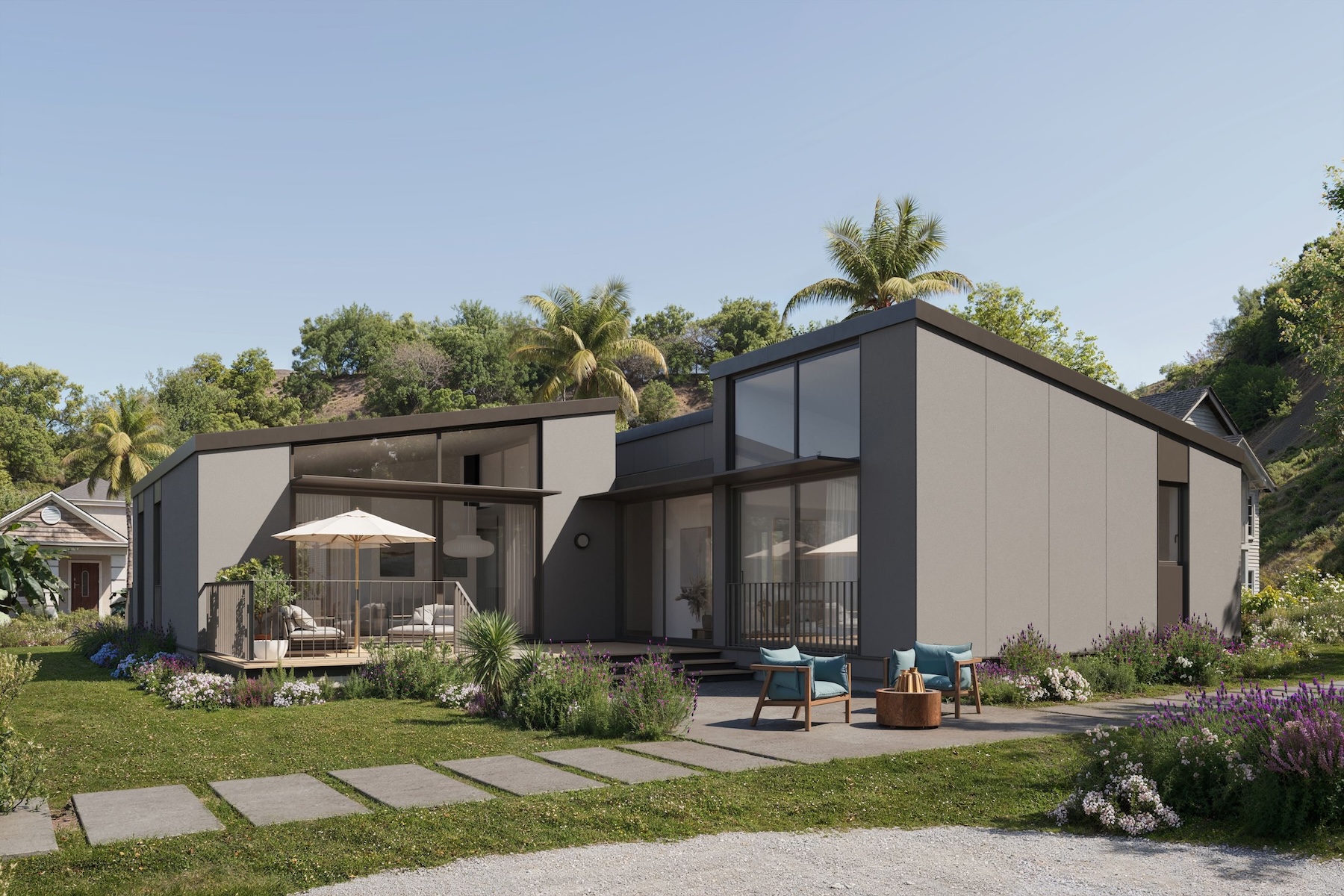
Companies like RISE Modular, Clayton, and Boxabl are building manufactured and modular homes and apartments, which include everything from cabinets and trim to toilets and appliances.
Assembled like Legos, these types of homes can have distinct advantages:
- They are 30% to 50% faster to build than on-site construction.
- Generate up to 90% less material waste.
- Are anywhere from 10% to 60% cheaper, as of 2023.
Now, the industry is expected to get a boost from the bipartisan 21st Century ROAD to Housing Act, which encourages factory-built housing:
- Eliminates requirement of a permanent steel chassis for manufactured homes — offers builders more flexibility and reduces costs by $5k to $10k.
- Recommends ending exclusionary zoning, as many cities and towns have banned factory-built homes.
- Doesn't allocate financing or tax credits to affordable housing developers, but includes provisions to increase financing options.
Around 100k manufactured homes sold in 2025, but that's nowhere near the peaks following WWII, including 579k in 1973 and 373k in 1998, which dramatically increased homeownership.
While some past attempts at elevating the housing market with factory-built housing didn't take off — like steel-clad Lustron homes — advocates see the current landscape as a prime opportunity to boost supply and address affordability.
Some even say it could be the era of the modern Sears home, which makes our nostalgic hearts happy. We may even start assembling some Ikea furniture just for kicks.
housing and real estate
%20copy%205.png)
-1.png)
-1.png)