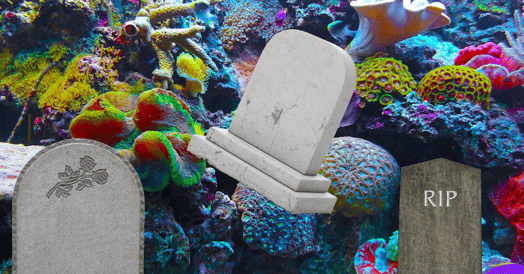
“Buried at sea” typically refers to having your remains dispersed in the ocean, but Neptune Memorial Reef in Biscayne Bay, Florida, takes it a step further by adding cremated remains to a man-made reef.
The reef opened in 2007, and is ultimately expected to span 16 acres and accommodate 250k+ people, per ClickOrlando.
Notable residents currently include chef Julia Child and scuba legend Bert Kilbride.
The reef…
… takes inspiration from the legend of Atlantis.
One can pay to have their ashes scattered in the area or purchase a “placement” — columns, arches, and sea life sculptures made from a mix of cement and cremated remains, adorned with metal plaques. Loved ones can watch this occur by attending a “mixing ceremony.”
At 40 feet deep, it’s accessible to divers, and the company claims many people have received scuba certification to visit loved ones laid to rest here.
Why build this?
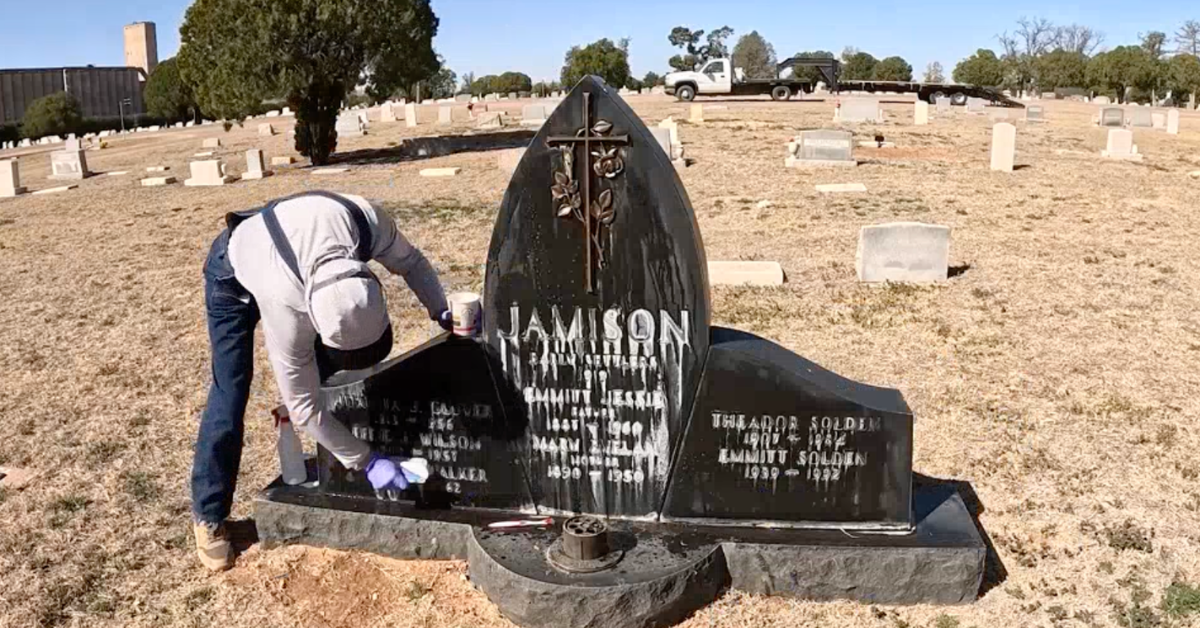
Traditional cemeteries are unsustainable. They:
- Take up a lot of space.
- Can pollute groundwater and soil.
Increased flooding due to climate change can also submerge graves and, worse, cause coffins and caskets to wash away.
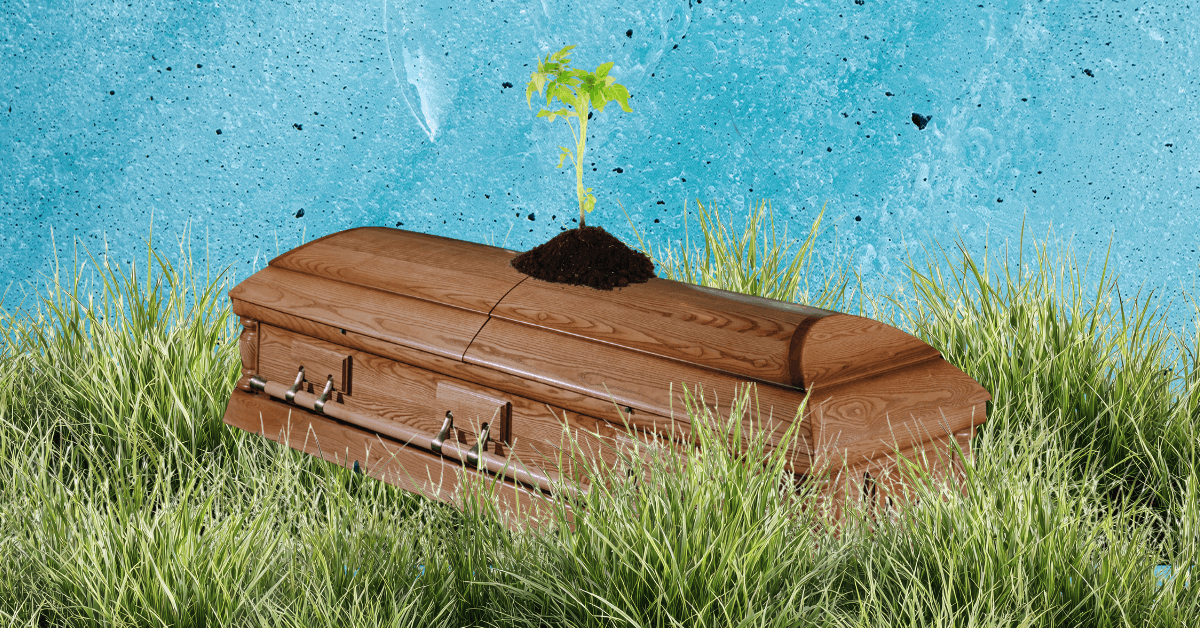
The death industry is increasingly offering more environmentally friendly and long-term solutions, like biodegradable coffins and urns made from fungi that help decompose bodies into compost for new life.
Man-made reefs are good for marine life — coral can grow on them and smaller creatures can use them to hide from predators.
BTW: Here’s a fun fact to tell all your friends this Halloween. Many people refer to Neptune Memorial Reef as an underwater cemetery, but a site that houses only cremated remains is called a columbarium.
%20(1).png)