Making money from a theme park can feel like a roller coaster ride.
Last fall, management at Disney’s Magic Kingdom crossed a line.
For years, ticket prices at one of the world’s most expensive amusement parks had held steady at $199 or less. In October, they announced that for the dates between Christmas and New Year’s, they’d break the barrier. They were going to charge $209 per person per day.
Park aficionados were incensed. Were they trying to price people out?
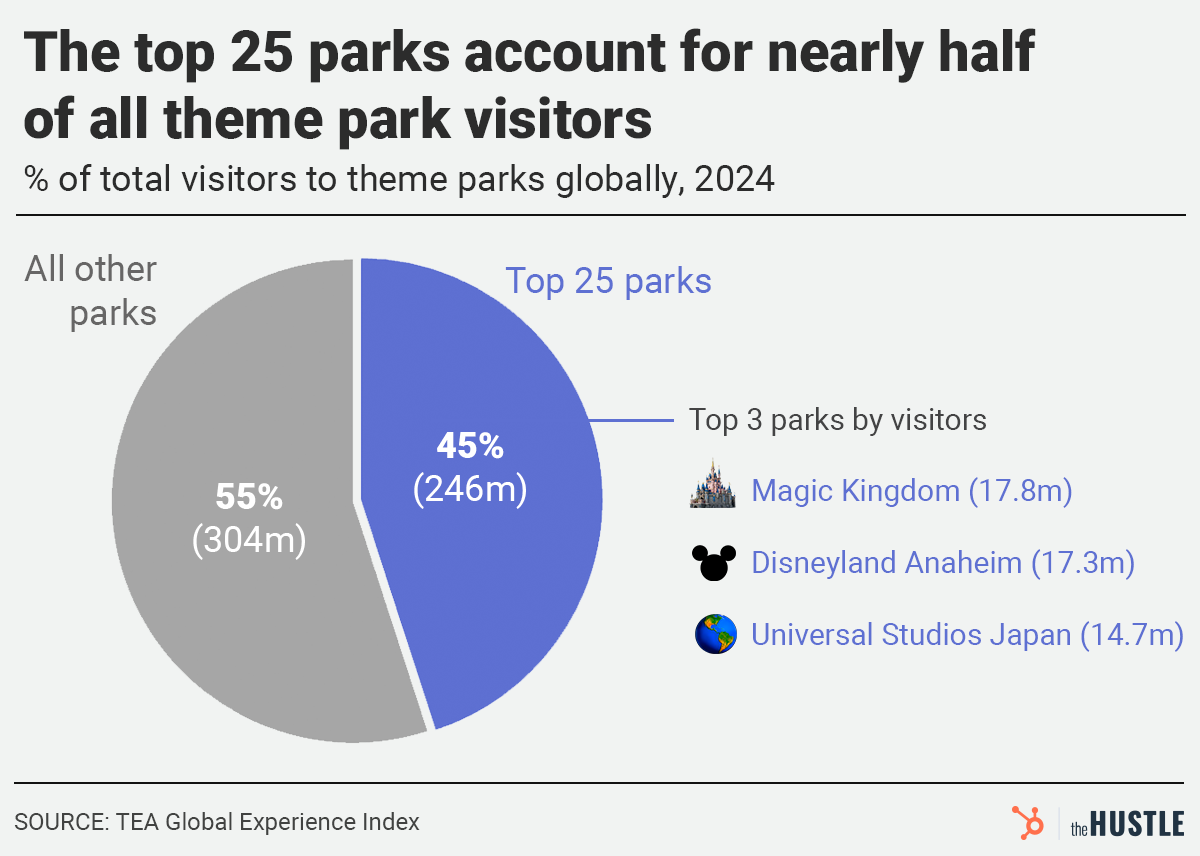
Still, visitors showed up. While attendance dipped overall last year, by 1%, revenue hit a record $9.49B thanks to money people spent in the park, on games, parking, Mickey Mouse ears, and enough ice cream to fill the entire state of Florida. (Okay, maybe not, but they do sell 3.5m+ ice cream bars every year.)
It’s a great time to be at the top of the mountain that is the amusement park industry. It’s a difficult time to be anywhere else.
The Hustle
Across the country, regional parks are being shuttered and closed, rolled up and sold. Even publicly-traded Six Flags is feeling the pressure. The fate of the industry that powers one of America’s favorite pastimes is mirroring the economic struggles of the country itself.
“These regional parks are getting squeezed from both sides,” says Marie Weissbach, a consultant and project and business development coordinator for international water-park chain Whitewater.
Can the middle guys survive?
Measured in screams
If you’ve grown up in America, you know the magic of a regional theme park. There’s nothing quite like it: snaking lineups for roller coasters speeding 120 miles per hour,intricate webs of fried dough slathered in strawberry syrup, and concrete spackled with melted soft-serve.
It’s one of the only industries where success is measured in screams.
“When we hear screaming outside, that’s a good thing,” says Jeanine Gentile, park manager at Long Island’s Adventureland. “Screams mean they’re having fun.”
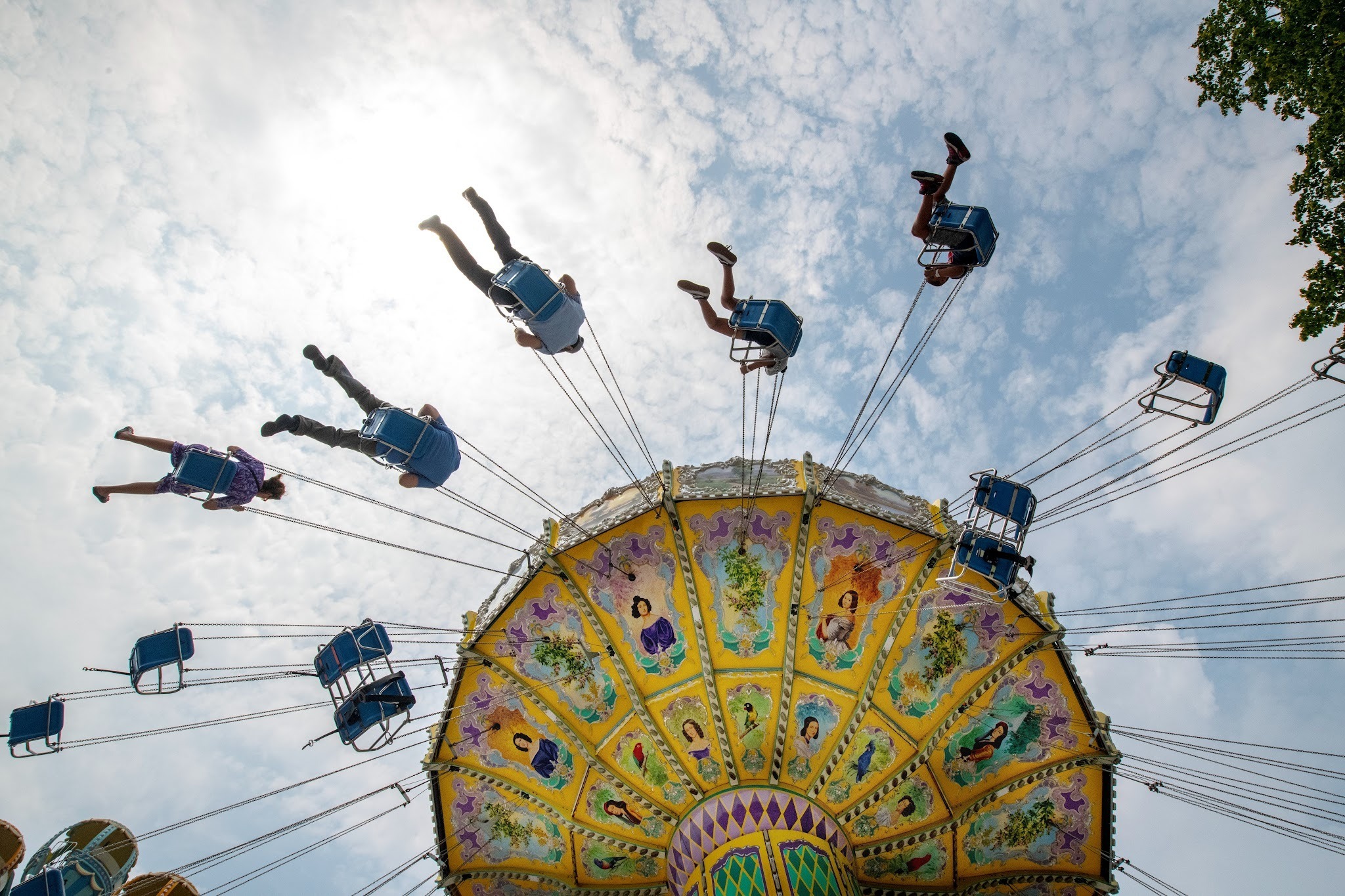
Adventureland Long Island has stayed family-owned for three generations. (Photo by Alejandra Villa Loraca/Newsday RM via Getty Images)
The person who dreamed it all up? Walt Disney, of course. But it was his economic consigliere, Buzz Price, who scouted the locations and made the numbers work.
In 1955, under Price’s guidance, Disney opened Disneyland in Anaheim, California. Not long after, in 1961, Six Flags opened its first location in Texas. Back then, admission cost $2.75 and you could buy a hamburger for 50 cents.
Opened by oilman Angus Wynne Jr., the park was always supposed to be temporary, a way for him to make a quick buck on some vacant land before developing it. It took one year and $10m (or $111m today) to build.
The park was modeled after Disneyland, and anchored by the theme of Texas history. It offered train rides, an old-timey tin-type photographer, a cowboy performance put on by sheriffs accosting a horse thief, and a slide emerging from a skull for especially brave kids.
Its first season drew nearly 500k visitors. When Wynne recouped his investment in just 18 months, he decided the park could stay.
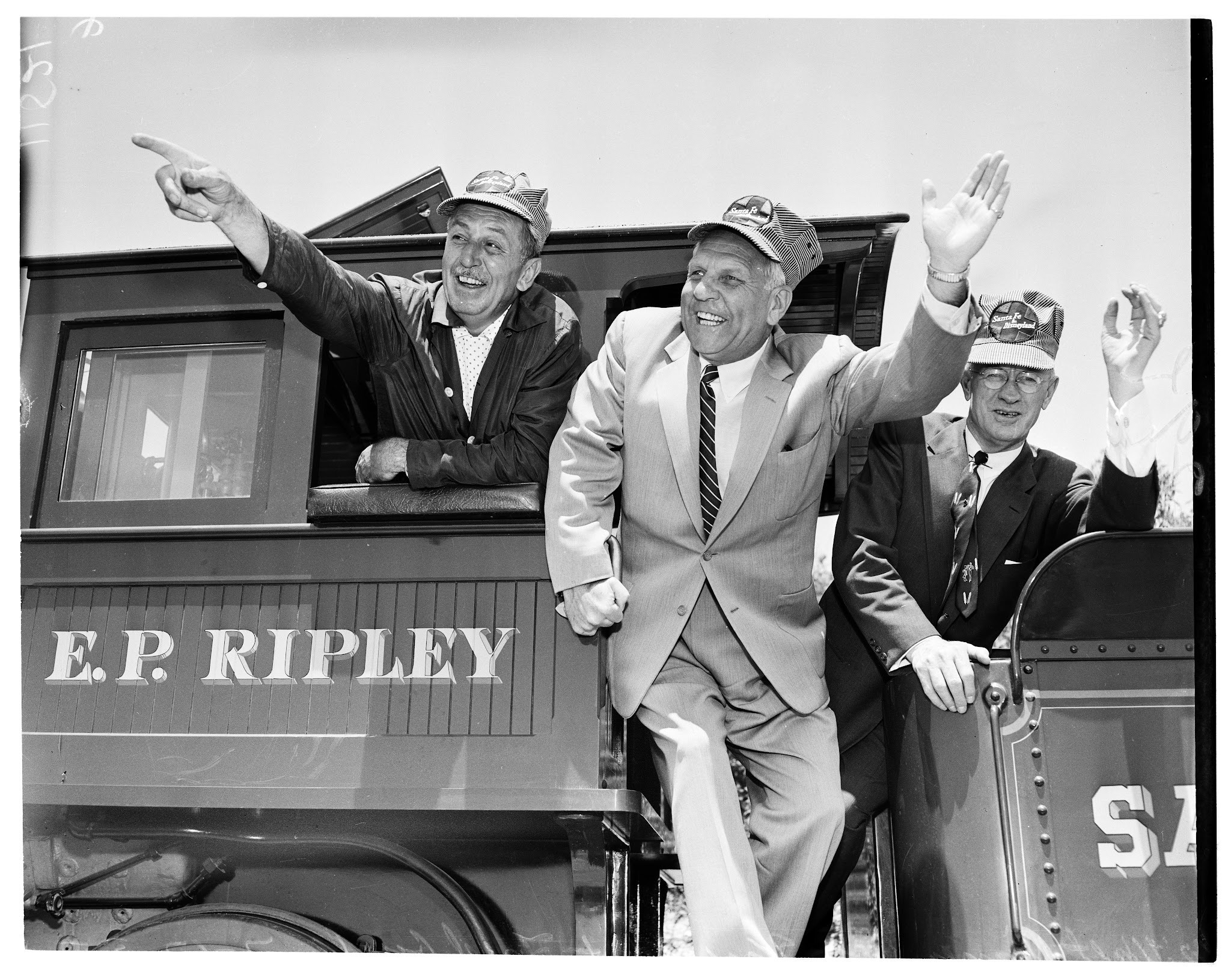
Walt Disney waves from a train on Disneyland’s opening day in 1955. (Photo by USC Libraries/Corbis via Getty Images)
Today, Disney and Universal, which run 12 and 4 parks, respectively, have leveraged their IP to create wildly successful parks that tell stories (read: advertise for the companies’ other segments).
Everyone else is scrounging for the scraps.
The coaster wars
What counts as a regional park depends a little on who you ask.
Broadly, they’re parks that draw most visitors from their geographic area. But the umbrella term covers a lot: Six Flags and Busch Gardens are technically regional parks, even though they’re huge, and the industry includes independent parks like Dollywood, waterparks, and family entertainment centers that would be considered regional draws, too. So estimates vary wildly: the US Bureau of Labor Statistics says the country has 1.2k parks, while the International Association of Amusement Parks and Attractions puts the number at closer to 475.
Either way, that’s a lot of places in the continental US to have fun.
Back in the ‘90s, two regional park chains, Six Flags and Cedar Fair, were battling it out for roller-coaster supremacy. When Cedar Point unveiled Magnum XL-200, then the tallest, fastest, steepest coaster on the planet, Six Flags countered with Goliath, a 235-foot steel monster known for occasionally making its riders black out from G-force. They added a floorless coaster, a four-dimensional coaster, and a flying coaster, where riders lie in Superman position.
They also added a debt load that would climb to $5B and force the company into bankruptcy in 2009.
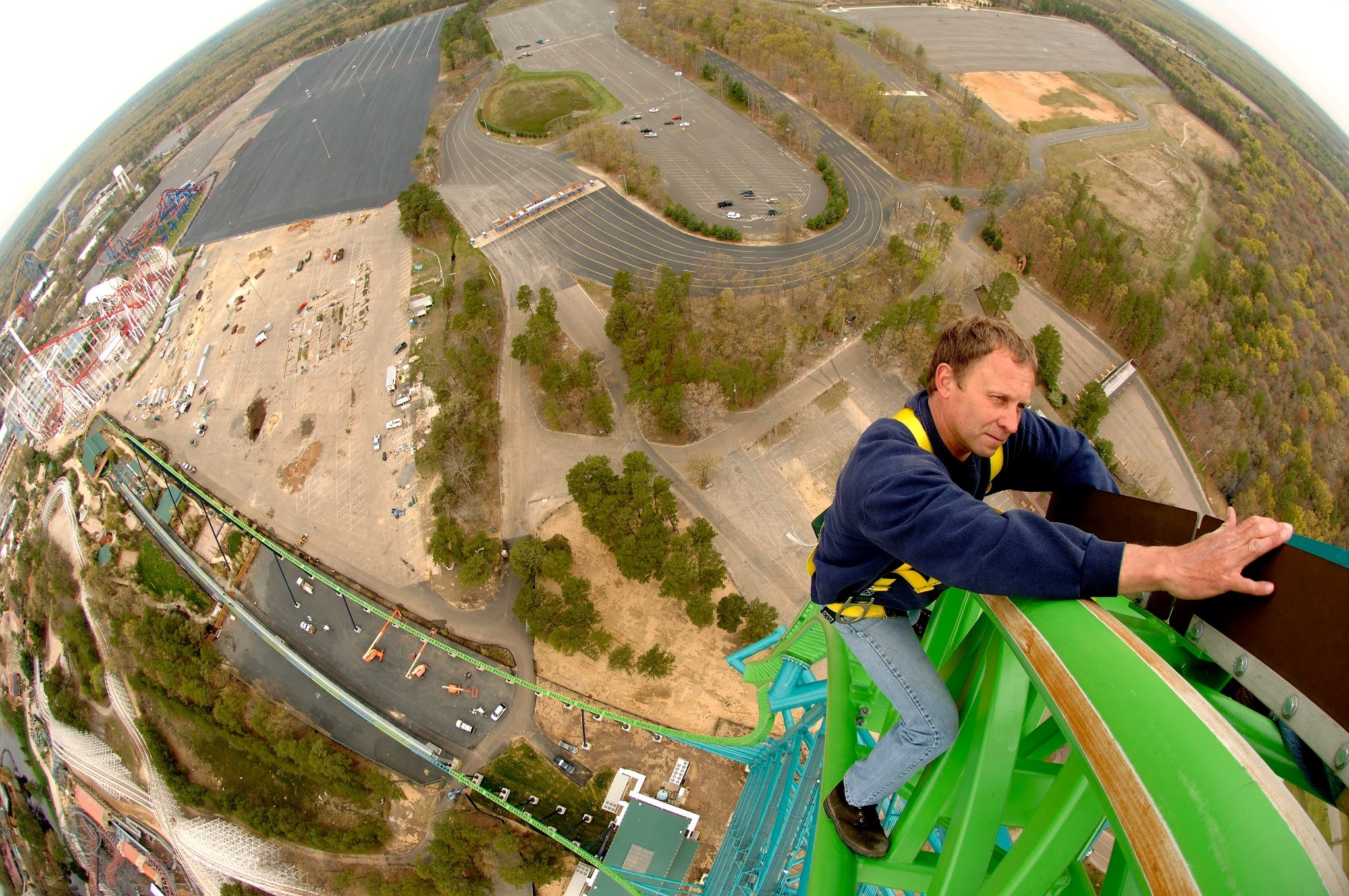
An employee puts the final touches on Kingda Ka, Six Flags’ 456-foot behemoth that marked the end of the coaster wars between Six Flags and Cedar Fair in 2005. (Photo by Joe McNally/Getty Images)
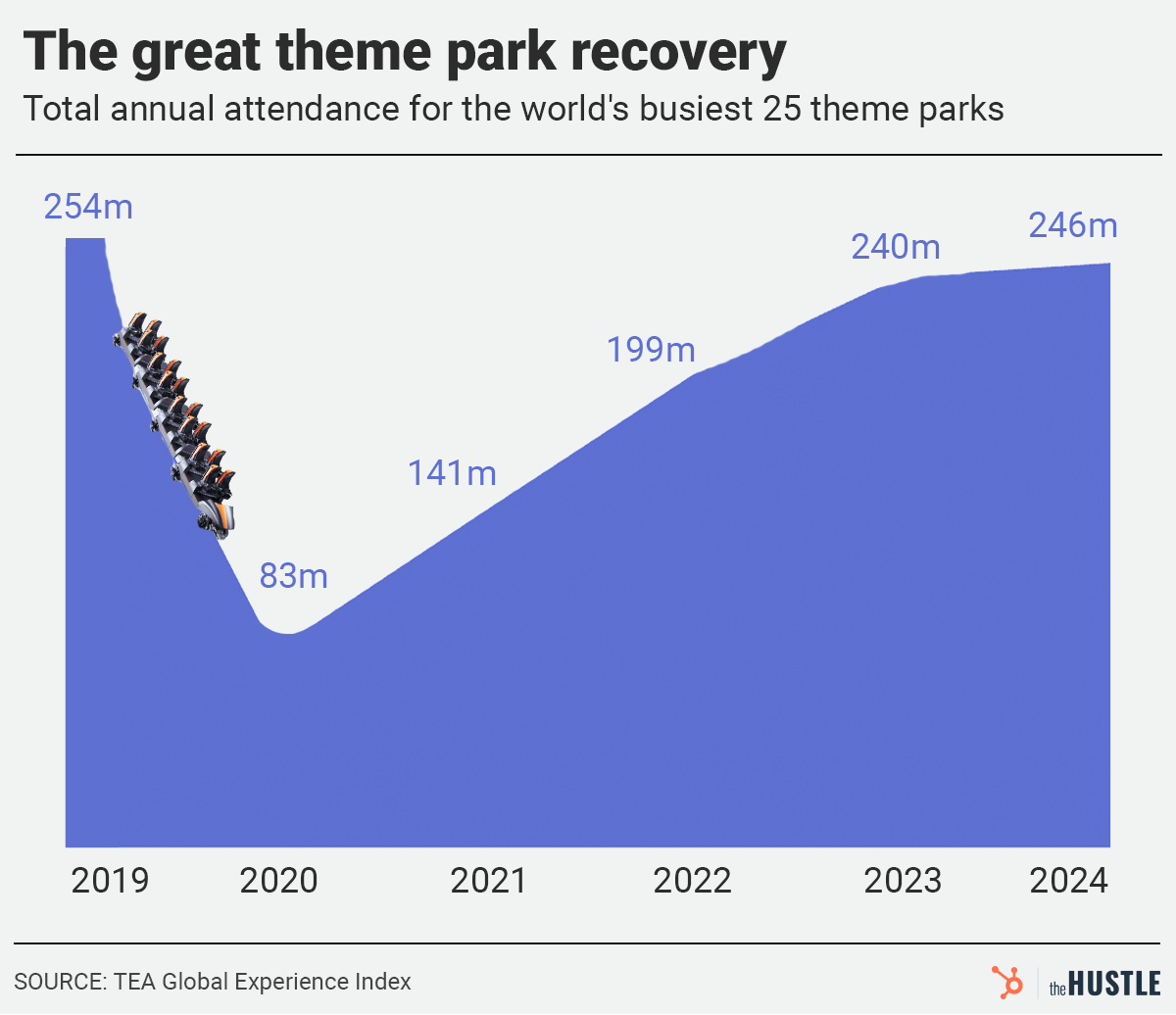
When Covid hit, many parks opted not to open for the 2020 operating year at all. When they did reopen, attendance plummeted. (In 2019, 254m people visited the world’s top 25 parks. After a drop to 83m in 2020, that number rebounded to 141m in 2021.)
The industry is still feeling the effects. In 2022, Six Flags leadership said the parks had become “a cheap daycare center for teenagers.”
Instead of trying to appeal to more people, park leadership opted to go premium: they raised prices, cut discounts and free tickets, and closed six underperforming parks during the holiday season, gambling on the idea that fewer people in the park would mean a higher per-capita spend.
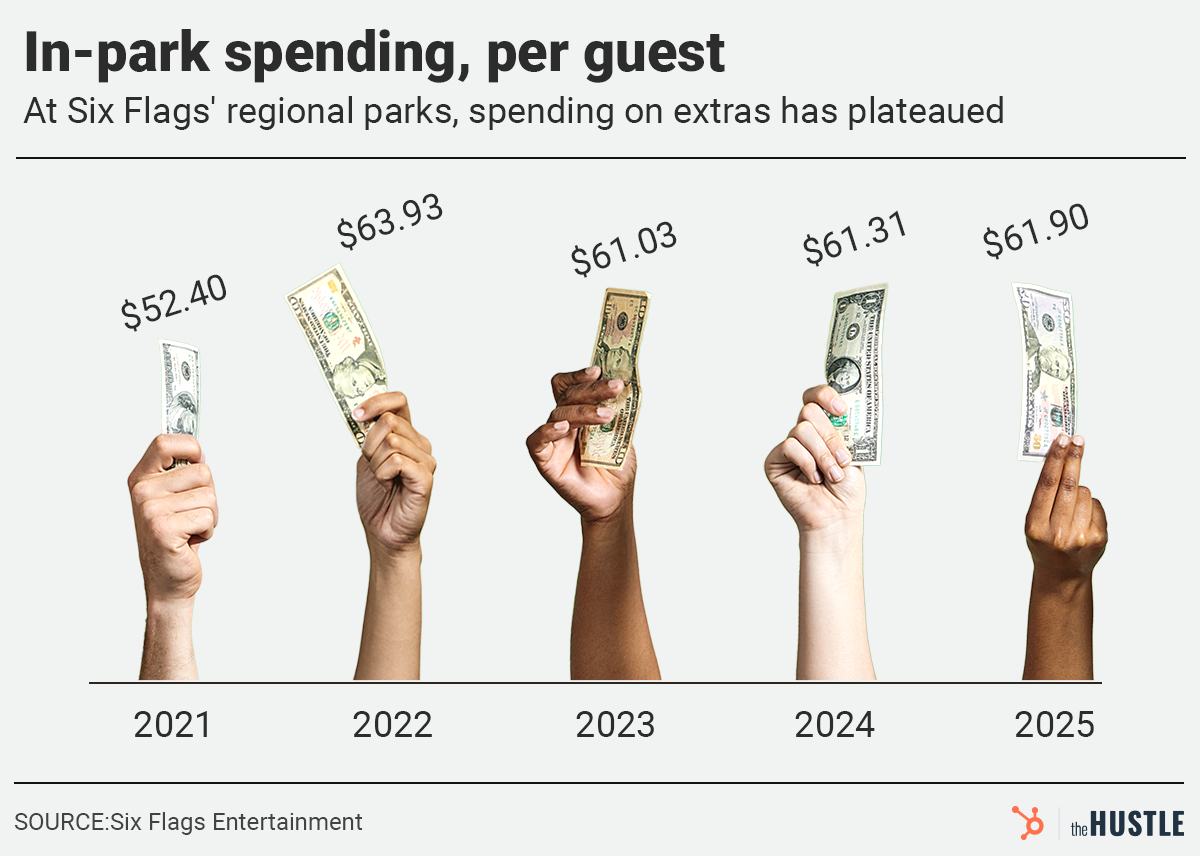
Spending did go up (from $52.40 to $63.93), but it wasn’t enough to offset an attendance shortfall of 26%. In 2024, Six Flags and Cedar Point merged. The announcement framed it as a merger of equals, bringing 42 parks together under one company. Still, attendance continued to drop.
The Hustle
Earlier this year, Six Flags announced it would sell seven of its parks to a real-estate investment trust for $331m, highlighting what some analysts have said: that the most valuable thing about some of these parks is the land they sit on. (Taking a page from the private-equity playbook, the trust has leased the parks to a management company, Enchanted Parks, which for now will continue to run them.)
Smaller chains and independents are faring poorly, too. In New Jersey, Ocean City mayor Jay Gillian closed his family’s amusement park in 2024 and declared personal bankruptcy, after accruing $6m in debt trying to keep it open.
Elsewhere, ZDT’s America in Texas closed when the family who owned it couldn’t find a buyer. Dixie Landin’ in Louisiana, Playland in Fresno, Calif., and Wild Waves in Washington have all shuttered. Used coasters are scrapped or sold, finding their way to companies like Rides-4-U, which refurbishes and sells old roller coasters to other parks.
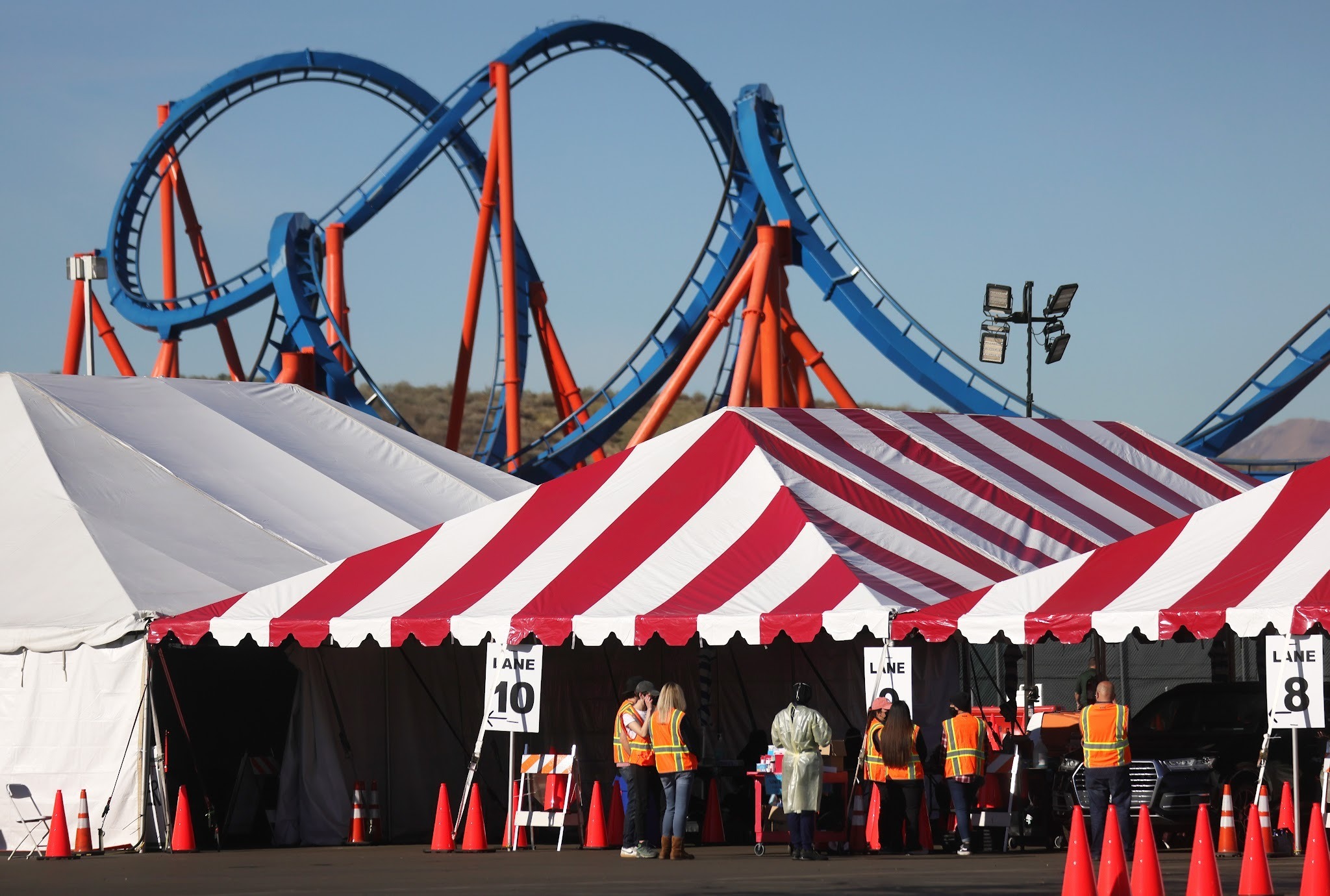
Six Flags Magic Mountain’s parking lot becomes a COVID vaccine drive-thru in February 2021. (Photo by Mario Tama/Getty Images)
“Perhaps an analogy would be to something like a coal-fired power plant,” wrote Wonwhee Kim, co-founder of the Park Database and amusement park consultant, earlier this year. “No one will be building any more, but as a cash-flow generating asset, their owners have an interest in maintaining it until the end of its useful life.”
And theme parks that are still operating are intent on maximizing every square foot, minute, and dollar spent inside the gates.
In the family
Jeanine Gentile grew up at Adventureland — literally. Her family has owned the Long Island park for three generations. She started as a child, stumbling breathless off roller coaster rides with friends, eating chicken nuggets on park benches with her brothers, and at 14 began to operate a game stand and clean tables before moving up to the ticket booth and into the office. She’s park manager now.
Gentile says there are three key ingredients to running a successful park:
- Real estate.
- Novelty.
- A sunny weather forecast. (Without it, she says, it’s a ghost town.)
When she walks the park, taking in the hurtling roller coasters and glittering midway, she’s noting which rides need a paint job, which tables need new umbrellas, which area could use a bench or two. Leaning into the details, she says, gives them a competitive advantage.
“My dad says, the 3% makes the difference,” she says.
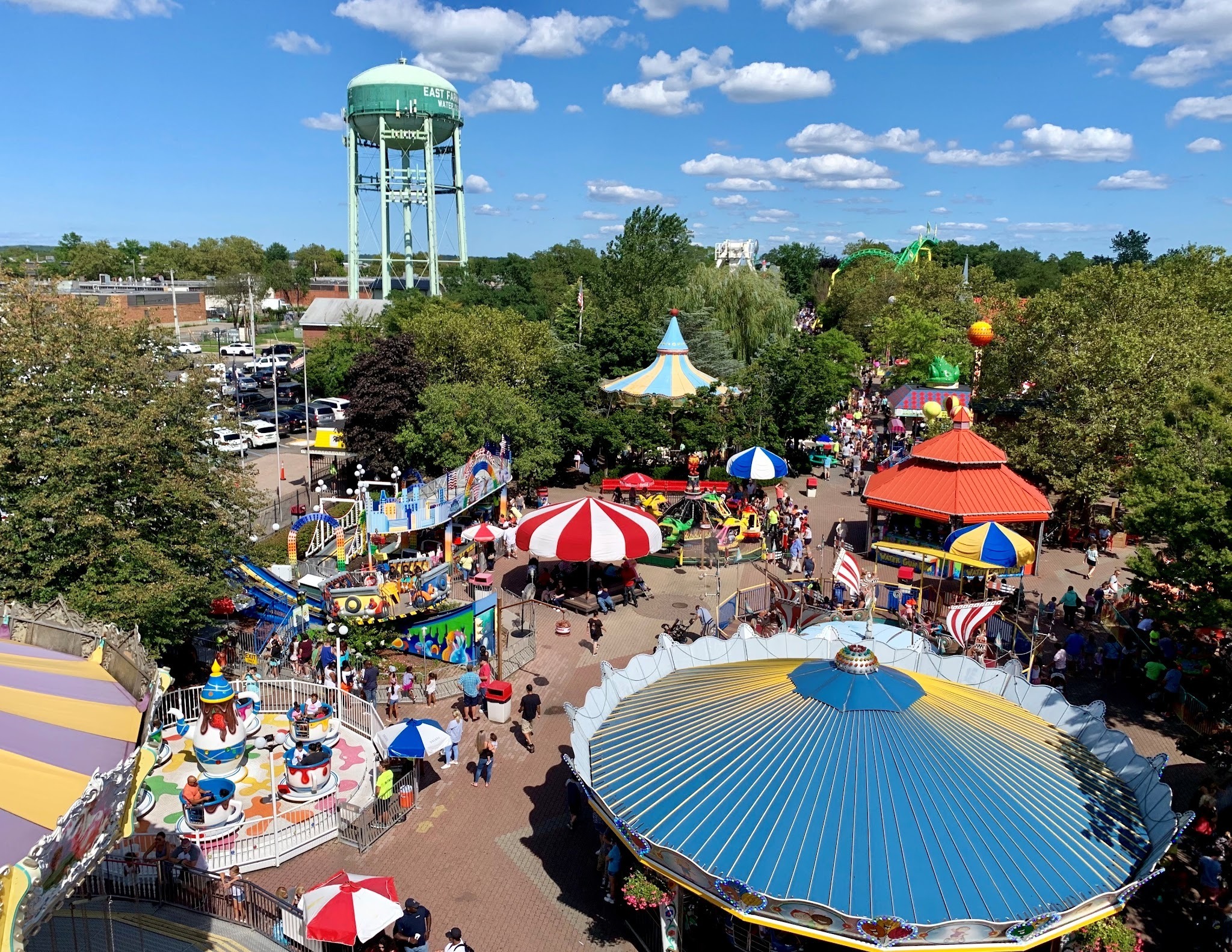
Adventureland’s real estate is limited, which means custom-built rides to maximize its footprint. (Photo by Reggie Lewis/Newsday RM via Getty Images)
For decades, the park operated on a pay-as-you-go model. Admission was free, but you had to pay to do anything within the park.
When the park reopened after Covid, she says, they couldn’t keep that model going — the shortfall from staying closed the entire 2020 season was too great. So they introduced entry fees.
It’s still a work-in-progress to sell longtime fans of the park on the change. “Obviously some people don’t like the admission and we’re not oblivious to that,” she says. “But it means you’re here because you want to be here, not just to loiter around.”
They also introduced a dynamic pricing model:
- For weekday evenings in the summer, tickets are $32.50, down from the general admission $51.50.
- Two hours before last call, you can buy a $29.50 ticket.
The changes have helped them stay competitive in a landscape that feels more crowded than ever, she says.
Another critical advantage is the fact that they’re already there. Today, building a new park requires a huge outlay of capital, a $100 minimum for each expected first-year visitor, according to one industry study.
“You need a large plot of land within distance of a huge market,” says Kim, the Park Database co-founder. “There’s not many sites around the country that fulfill this condition anymore.”
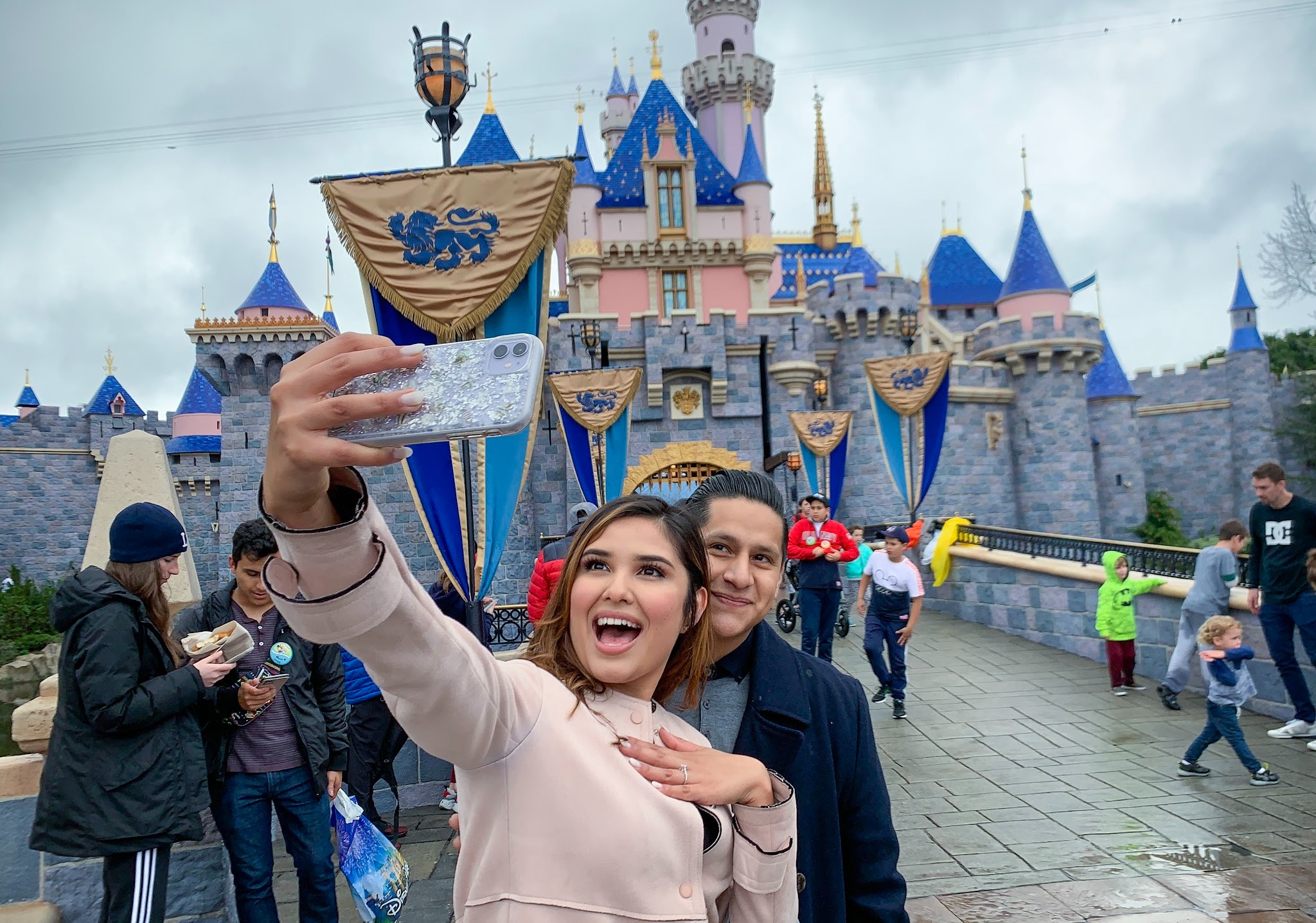
A couple gets engaged at the Sleeping Beauty Castle at Disneyland. Why not? (Photo by Jeff Gritchen/MediaNews Group/Orange County Register via Getty Images)
For Adventureland, evolving means maximizing the finite space they have. When a ride closes for repairs, for example, there’s a spillover effect: fewer people in an area of the park means fewer people spending money on extras in that area.
“We’re landlocked,” Gentile says, which means they have to buy custom rides to amp up novelty for visitors. And research suggests that while investing in new attractions leads to more visitors, the effect wears off after two years, creating a novelty cycle for the parks that can feel endless.
“Any kind of entertainment venue is considered competition,” she says. “Anyone looking for something to do with their kids — you’re competing for that dollar.”
So what can they do about it?
All parks, big and small, are playing with the triangulation between attendance, in-park spending, and overall visitor satisfaction, Weissbach says. And over time they’ve borrowed from an unlikely ally: ski resorts.
Like mega-mountain resorts, parks offer season passes to try to stabilize revenue. And similar to the mountain, a park’s ancillary offerings matter just as much as the price of admission. Where once the admission fee made up ~60% of revenue, Weissbach says revenue from food and beverage, parking, extra attractions like VR, merch, and more, make up an increasing share of park profits.
Research also suggests guests willing to pay one extra fee are more likely to pay for more add-ons, and once they’re inside the gates, it’s harder to say no. “There’s no ceiling,” Weissbach says.
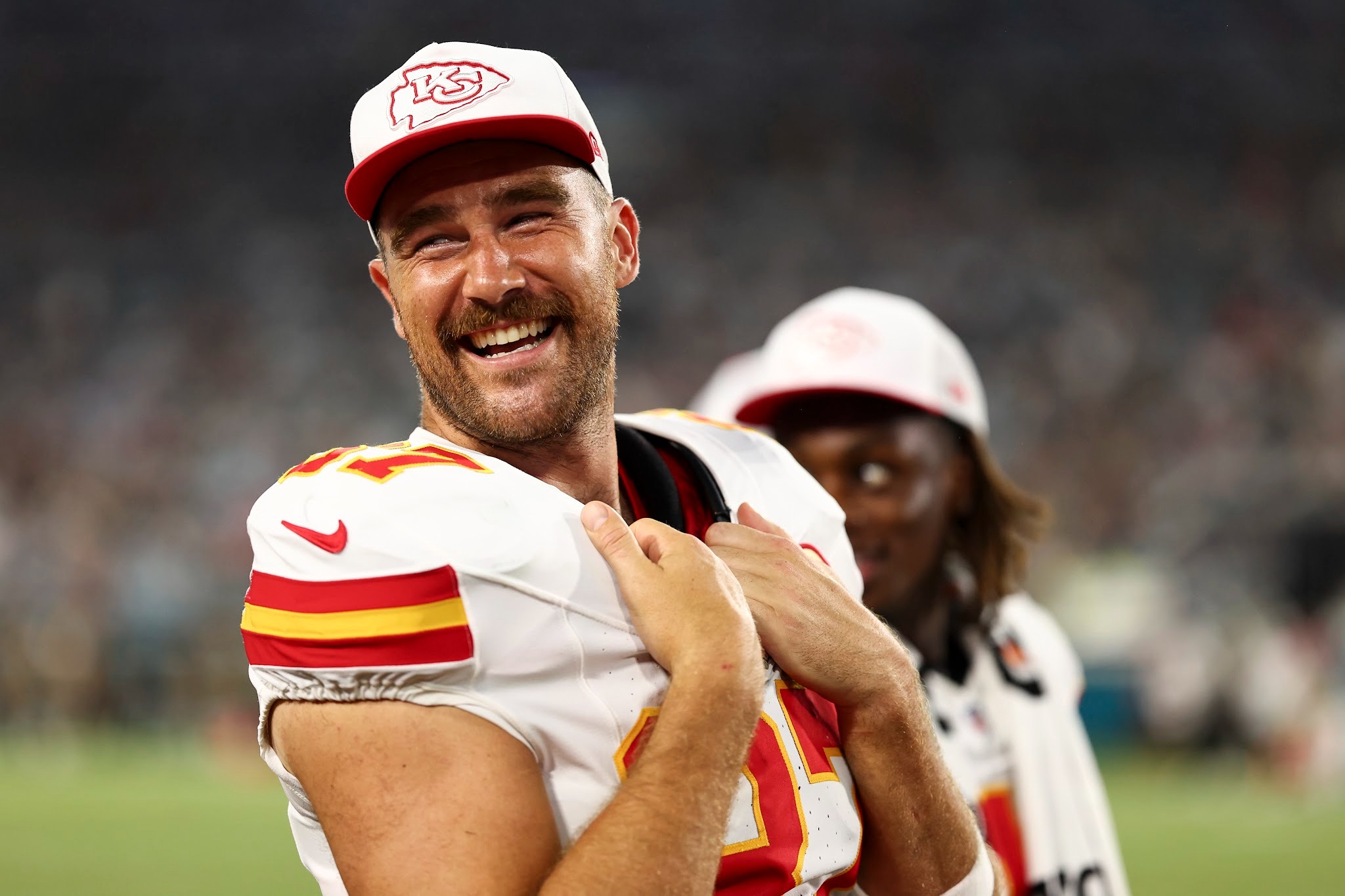
Taking Six Flags to new heights? Football star Travis Kelce, alongside an investment group, bought a $200m stake in the company this year. (Photo by Kevin Sabitus/Getty Images)
Regional parks are experimenting with dynamic pricing — they can’t entice visitors with high-budget, specialized themed food like Butterbeer the way Universal Orlando’s Harry Potter world can, so they instead try offering cheaper ticket prices during the week or on weekends leading up to the summer season.
In an attempt to stabilize their attendance base, chains like Six Flags have started to offer all-parks passes to give visitors access to all 42 of their parks and cut into some of the destination market.
They’re also playing with maximizing revenue by:
- Offering seasonal events like Halloween nights, allowing parks to effectively charge daily admission twice.
- The VIP effect: selling exclusive early-access or skip-the-line passes.
Even strategies like these are a fine balance. Waiting in line for a little while builds anticipation, Weissbach says. On the other hand, the minutes people spend waiting in line are minutes they can’t spend money elsewhere in the park.
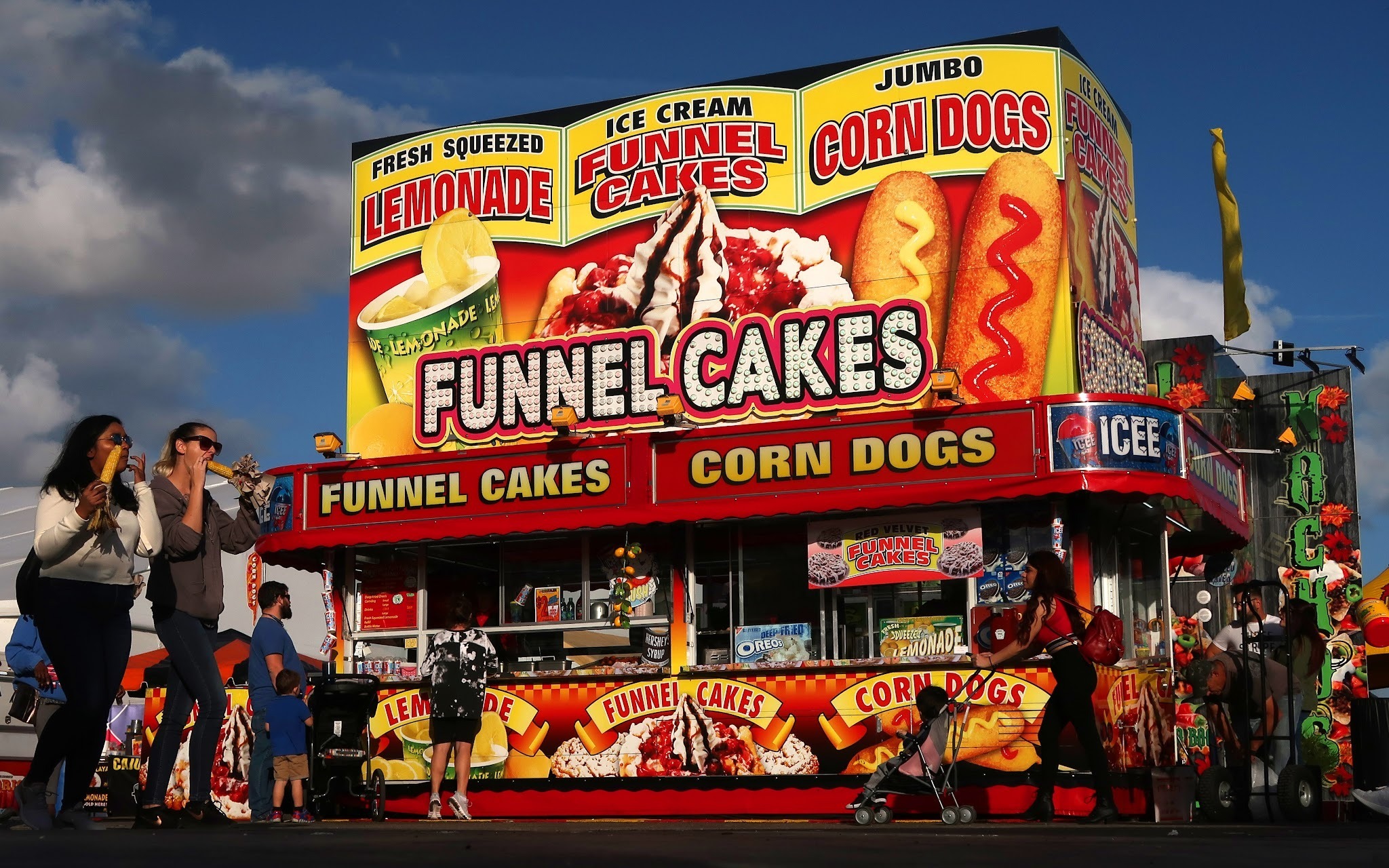
Time spent in line for rides is time not spent buying funnel cakes or merch. (Photo by Gary Hershorn/Getty Images)
Some parks are experimenting with push notifications that track where you are and send you messages urging you to spend your money accordingly. A guest walking by an ice-cream stand might get a text reading: oh, you’ve been in the park for three hours on a hot day? Why not have an ice cream cone?
Almost all of these ideas involve managing crowds and gaming out a few extra dollars from captive participants. None involve trying to increase attendance by building better attractions or engaging in a roller coaster arms race, like in the ‘90s.
With Disney’s stranglehold on the market, such investments might be fruitless.
Disney reigns
On Instagram, a popular account called @foodatdisneyland recently roasted the park for charging $7.50 for half a churro. Weissbach says she saw a light saber for sale for $299 on one of her park trips. Estimates for a week-long Disney World trip for a family of four start ~$5.5k and can reach $12k and beyond.
The Hustle
As prices climb ever higher, one thing remains consistent across all income groups: people’s desire to go to Disney World.
“That’s not the case with any other type of attraction,” Kim says. The Park Database’s research suggests that no matter your income bracket, you’ll find a way to go to Disney.
In the meantime, money spent on hitting Six Flags or Long Island’s Adventureland on the weekend is what’s getting cut from the budget in favor of cheaper activities like escape rooms and zoos. Immersive experiences like Meow Wolf, Activate Games, or the Sphere in Las Vegas are also encroaching, offering visitors something truly novel (no offense to funnel cakes).
The one thing that hasn’t changed, and might just see these parks through?
“Everyone just wants to escape to a happier place,” Kim says.